 Rhonda Skinner
 Upgrading Your HVAC System: Top Benefits of Air Conditioning Repair Miami

Upgrading your HVAC system is an investment that can lead to several benefits, especially when it comes to energy efficiency and overall comfort. Below, we explore the key advantages of modernizing your heating, ventilation, and air conditioning system.
Enhanced Energy Efficiency
- Variable-speed motors: Adjust speeds depending on heating or cooling requirements, reducing wasted energy.
- Smart thermostats: Allow precise control of indoor temperatures and programming tailored to your schedule.
- High SEER ratings (Seasonal Energy Efficiency Ratio): Modern systems typically offer SEER ratings of 16 or higher, compared to older models which may range between 8–13.
Lower Utility Bills
When your HVAC operates more efficiently, it significantly reduces monthly energy costs. By consuming less electricity or gas to maintain your desired indoor temperature, you save money over time. While the upfront cost of upgrading might seem high, these savings help offset the expense within a few years.
Improved Indoor Air Quality
- Filtering out dust, pollen, and other allergens.
- Reducing humidity levels to prevent mold growth.
- Circulating fresh air consistently for better breathing comfort.
Increased Comfort
An upgraded system provides better temperature stability throughout your space by eliminating hot or cold spots caused by aging equipment. Features such as zoned heating and cooling allow you to target specific areas in your home for maximum comfort without wasting energy on unused rooms.
Long-Term Reliability
New HVAC systems are designed not only for peak efficiency but also for durability and dependability over time. Manufacturers often back these systems with warranties spanning 10 years or more when properly maintained by professionals.
Comprehensive Guide to AC Repair Miami: Comparing Older and Newer HVAC Systems
| Feature | Older Systems | Newer Systems |
| Energy Efficiency | Low (< 13 SEER) | High (16–22+ SEER) |
| Operating Cost | Higher | Lower |
| Smart Controls | Limited/None | Advanced features like smart thermostats |
| Maintenance Needs | Frequent repairs required | Reduced maintenance requirements |
| Environmental Impact | High carbon footprint | Eco-friendly with lower emissions |
Environmental Benefits
Energy-efficient HVAC upgrades also have a positive impact on the environment. By reducing the amount of fossil fuel used in energy production, these systems contribute directly toward lowering greenhouse gas emissions. This can help homeowners take actionable steps toward sustainability while enjoying a more comfortable living space.
Investing in an upgraded system offers both immediate advantages like reduced utility bills and long-term perks such as enhanced reliability and environmental benefits—a win-win situation for both homeowners and the planet alike.
How Upgrading Your Miami HVAC System Can Lower Carbon Footprint and Energy Costs
Upgrading your HVAC system is an investment that pays off in multiple ways, particularly by reducing energy consumption and minimizing environmental impact. A more efficient system not only reduces your utility bills but also contributes to a greener planet. Here’s a detailed look at how upgrading your HVAC system can lower carbon footprint and energy costs.
Top Benefits of Choosing an Energy-Efficient HVAC Company Miami, FL
- Reduced Energy Consumption: Newer systems use advanced technology like variable-speed motors, smart thermostats, and enhanced insulation, which allow them to operate more efficiently.
- Lower Utility Bills: By consuming less electricity or fuel, you’ll see a noticeable reduction in monthly heating and cooling costs.
- Decreased Greenhouse Gas Emissions: Using energy-efficient equipment reduces demand on power plants, which helps cut down on CO₂ emissions.
Discover the Benefits of High-Efficiency AC Replacement Miami Systems
| Feature | How It Saves Energy |
| Variable-Speed Compressors | Adjust output based on demand, avoiding wasteful cycles. |
| Smart Thermostats | Allow for precise temperature control and scheduling. |
| Zoned Heating & Cooling | Deliver conditioned air only where it’s needed. |
| High SEER Ratings | Systems with higher Seasonal Energy Efficiency Ratios perform better under varied conditions. |
Financial Incentives for Upgrades
- Tax Credits: Federal or state tax credits for installing energy-efficient equipment.
- Rebates from Utility Companies: Many providers offer rebates when you replace older units with high-efficiency models.
- Lower Maintenance Costs: Newer systems typically require less frequent repairs due to advanced durability features.
Steps You Can Take Toward Lowering Your Carbon Footprint
- Evaluate the Age of Your Current System: If your system is over 10–15 years old, replacing it with a modern unit can significantly reduce energy usage.
- Choose the Right Size System: Oversized or undersized units can waste energy; consult a professional contractor for proper sizing.
- Consider Renewable Energy Options: Pairing your upgraded system with solar panels or other renewable sources can further decrease electricity usage.
- Perform Regular Maintenance: Even efficient units need periodic servicing to maintain peak performance.
Long-Term Benefits
By upgrading your HVAC system, you’re not just saving money—you’re making a long-term investment in your home’s comfort and the health of the environment. These benefits compound over time as the reduced energy consumption continues lowering costs while contributing positively toward sustainability goals.
An upgraded system lets you enjoy better air quality, consistent comfort levels throughout every season, and peace of mind knowing you’ve made an environmentally responsible decision. Proper consultation with certified professionals will ensure you maximize these benefits while selecting the right system tailored to your needs.
Key Services Offered by Professional HVAC Contractors
System Installation
One of the primary responsibilities of an HVAC contractor is installing new systems. This includes:
– Assessing the size and requirements of your property to recommend appropriate equipment.
– Installing central air conditioning units, furnaces, heat pumps, or ductless mini-split systems.
– Ensuring compliance with local codes and safety standards during installation.
Proper installation plays a critical role in optimizing system performance and energy efficiency.
Routine Maintenance
Regular maintenance helps in extending the lifespan of your HVAC system while reducing costly repairs in the future. Professional contractors typically offer:
– Seasonal tune-ups for both heating and cooling equipment.
– Cleaning or replacing filters to improve airflow and indoor air quality.
– Inspecting coils, motors, belts, and other components to identify wear or damage.
A well-maintained system promotes efficiency and reduces energy bills over time.
System Repairs
HVAC contractors are skilled at diagnosing and repairing issues with heating or cooling systems. Common repair tasks include:
– Fixing refrigerant leaks that impact cooling performance.
– Replacing malfunctioning thermostats for enhanced temperature control.
– Addressing noisy compressors or broken fan motors.
Prompt repairs minimize potential downtime while ensuring comfort throughout the year.
Energy Efficiency Upgrades
Many homeowners are looking to reduce energy consumption without compromising comfort. HVAC professionals can assist by:
– Recommending upgrades such as programmable thermostats or smart home integrations.
– Installing energy-efficient models certified by ENERGY STAR®.
– Sealing ducts to prevent air leakage and improve overall efficiency.
These strategies help to lower utility costs while contributing to environmental sustainability.
Indoor Air Quality Solutions
| Service | Benefits |
| Air Purifier Installation | Removes allergens, dust particles, and bacteria from indoor air |
| Humidifier/Dehumidifier Setup | Balances moisture levels for improved breathing comfort |
| Duct Cleaning | Eliminates pollutants accumulated in ducts over time |
By addressing indoor air quality concerns, contractors improve health outcomes for occupants.
Emergency Services
- Restoring heat on cold winter nights when furnaces fail.
- Repairing A/C units during summer heatwaves.

Emergency support ensures that homeowners are not left stranded when their systems break down unexpectedly.
Choosing a qualified HVAC contractor is critical to ensuring reliable service delivery across these areas. With their technical knowledge and experience, they provide peace of mind through high-quality workmanship tailored to meet specific needs efficiently.
The Importance of Choosing the Right HVAC Contractor for Your Replacement Needs
When it comes to replacing your HVAC system, choosing the right contractor is a critical step. A skilled and reliable HVAC contractor ensures that your new system is installed correctly, operates efficiently, and meets your home or business’s specific needs. Below, we discuss why selecting the right professional matters and how you can make an informed decision.
Why Selecting the Right HVAC Contractor Matters
- Proper Sizing and Installation
An experienced contractor will assess your space’s size and determine the appropriate HVAC system capacity for optimal performance. Improper sizing—whether too large or too small—can lead to inefficiency, increased energy costs, and uneven heating or cooling. - Energy Efficiency
A qualified contractor will recommend high-efficiency units that align with modern energy standards. They will also ensure proper installation to prevent leaks or inefficiencies that could drive up utility bills. - Compliance with Local Codes
Professional contractors are well-versed in local building codes and regulations. Hiring a licensed contractor ensures that your installation complies with these codes, avoiding potential legal issues down the line. - Warranty Protection
Many manufacturers require professional installation by certified technicians to maintain warranty coverage for new systems. Working with a trusted contractor protects this investment.
Key Qualities to Look for in an HVAC Contractor
- Licensing and Certification: Verify that the contractor holds all necessary licenses and industry certifications such as NATE (North American Technician Excellence).
- Experience: Look for contractors who specialize in replacement projects similar to yours. Years of experience often translate into skillful work.
- References and Reviews: Check online reviews or request references from previous clients to gauge customer satisfaction.
- Transparent Pricing: A reputable contractor provides detailed quotes that break down costs without hidden fees.
- Service Warranties: Ask about post-installation support and warranties on both labor and equipment.
How an HVAC Contractor Simplifies the Replacement Process
| Task | Benefit |
| System Assessment | Identifies ideal equipment based on needs |
| Load Calculation | Ensures proper sizing |
| Removal of Old Equipment | Safely disposes of outdated systems |
| New Unit Installation | Guarantees efficient operation |
| Ductwork Inspection/Upgrades | Maximizes airflow performance |
By entrusting these tasks to a professional, you minimize disruption while ensuring quality results.
Red Flags When Hiring an HVAC Contractor
- Lack of proper licensing or insurance coverage.
- Offers unusually low quotes compared to competitors.
- Pressures you into unnecessary upgrades or services.
- Fails to provide written contracts or detailed estimates.
- Has negative customer feedback or unresolved complaints online.
Taking time to research potential contractors helps you avoid costly mistakes.
Selecting the right HVAC contractor is essential for achieving comfort, efficiency, and long-term performance with your new system. By prioritizing qualifications, transparency, and professionalism during your search process, you can feel confident about your investment in a replacement project tailored to meet your specific needs.
Maximizing Comfort and Savings with an Efficient HVAC System Upgrade
Enhanced Comfort
A modern HVAC system is designed to provide consistent heating and cooling throughout your home. This eliminates common issues such as uneven temperatures or hot and cold spots. Key features contributing to enhanced comfort include:
– Zoned HVAC Systems: These allow you to control the temperature of individual areas or rooms for personalized comfort.
– Variable-Speed Technology: Ensures consistent airflow, maintaining steady temperatures without frequent on-and-off cycling.
– Improved Humidity Control: Modern systems balance humidity levels effectively, creating a more comfortable indoor environment year-round.
Significant Cost Savings
While the upfront cost of a new HVAC system may seem substantial, its long-term financial benefits outweigh the initial expense. Here are some ways an upgrade can save you money:
1. Increased Energy Efficiency: – Newer models come equipped with higher SEER (Seasonal Energy Efficiency Ratio) ratings. – ENERGY STAR-certified units consume less energy to achieve the same level of performance as older models. 2. Reduced Maintenance Costs: – Advanced systems are built with durable components that require less frequent repairs. – Smart diagnostic technology can alert homeowners to potential issues before they become costly problems. 3. Lower Utility Bills: – Improved energy efficiency directly translates to lower monthly heating and cooling costs.
Environmental Benefits
| Feature | Environmental Impact |
| High-Efficiency Filters | Improves air quality by reducing pollutants indoors |
| Programmable Thermostats | Minimizes wasted energy during periods of low occupancy |
| Eco-Friendly Refrigerants | Reduces harm caused by older refrigerant chemicals |
Advanced Technology for Better Control
Modern HVAC systems integrate smart technology that enhances both convenience and efficiency:
– Smart Thermostats: Allow remote control through mobile apps, enabling precise temperature adjustments even when you’re away from home.
– Energy Monitoring Features: Provide insights into energy usage patterns so that you can optimize performance over time.
Longevity of Your Investment
When properly installed and maintained, upgraded HVAC systems have a longer lifespan compared to outdated units. Regular maintenance combined with high-quality components means fewer replacements in the long run.
By upgrading your HVAC system strategically, you not only maximize comfort but also gain control over utility expenses while reducing your environmental impact.
Understanding the Process of Replacing Your Old HVAC System with a New One
Replacing an old HVAC system with a new one is a significant investment that can enhance both comfort and energy efficiency in your home or business. Understanding the process ensures you are prepared for each step and can make informed decisions.
Step 1: Assessing Your Current HVAC System
- Age: Most HVAC systems have a lifespan of 10-15 years. If yours exceeds this range, replacement may be more cost-effective than repairs.
- Frequent Repairs: If repair costs are adding up, it may indicate that the system is no longer efficient.
- High Energy Bills: Outdated systems often consume more energy than necessary, driving up utility bills.
- Uneven Heating or Cooling: Poor performance across different rooms could signal inefficiency or wear in the system.
Step 2: Consulting with a Professional HVAC Contractor
- Conduct a load calculation to determine the required capacity for your home or building, ensuring the selected unit is neither too small nor too large.
- Provide recommendations on high-efficiency models tailored to your needs and budget.
- Explain potential rebates or incentives available for upgrading to energy-efficient equipment.
Step 3: Choosing the Right System
| Type of System | Benefits | Ideal For |
| Central Air | Consistent temperature control throughout | Larger homes |
| Ductless Mini-Split Systems | Energy-efficient, flexible zoning | Homes without existing ducts |
| Heat Pumps | Provides both heating and cooling options | Mild climates |
Also, look for systems certified by ENERGY STAR® to maximize efficiency savings.
Step 4: The Installation Process
- Removing the Old Unit – Safely disconnecting and disposing of outdated equipment.
- Inspecting Ductwork (if applicable) – Ensuring ductwork is clean and free from leaks.
- Installing New Equipment – Setting up indoor components (air handler/furnace) and outdoor units (compressor/heat pump).
- Testing Performance – Calibrating settings, checking airflow balance, and verifying thermostat functionality.
Step 5: Post-Installation Maintenance Tips
- Change filters every 1-3 months.
- Schedule annual tune-ups with licensed technicians.
- Monitor energy bills for any unexpected spikes.
- Clean around outdoor units to prevent debris buildup.
By understanding this process step-by-step, you’ll be better equipped to make decisions that align with your comfort needs while ensuring long-term energy savings from your new HVAC investment.
- Miami HVAC: AC Repair vs Replacement – A Detailed Guide to Making the Right Choice
- Upgrading Your HVAC System: Top Benefits of Air Conditioning Repair Miami
- The Importance of Professional Air Conditioning Repair Miami for AC Replacement
- Professional Miami HVAC Replacement Services: Why They Matter
- Top Signs You May Need Air Conditioning Repair Miami Experts Immediately
- Identifying When You Need Air Conditioning Repair Miami Experts for Your AC System
- The Evolution of HVAC Company Miami, FL Services and Modern Air Conditioning
- Five Signs Your Miami HVAC System Needs an Immediate Replacement
- Signs You May Need Air Conditioning Repair Miami Immediately
The Importance of Professional Air Conditioning Repair Miami for AC Replacement

Replacing an air conditioning system is a significant investment that directly affects your home’s comfort, energy efficiency, and long-term savings. While it may be tempting to cut costs by attempting a DIY installation or hiring an unqualified technician, working with a professional HVAC contractor is essential for ensuring the job is done correctly and safely.
Expertise in System Selection
Professional HVAC contractors possess the knowledge required to help you select the right air conditioning system for your home. Factors they consider include:
– Home size and layout: They conduct load calculations to determine the appropriate cooling capacity (measured in BTUs) needed for your space.
– Energy efficiency needs: Contractors recommend systems with high SEER (Seasonal Energy Efficiency Ratio) ratings to optimize energy savings.
– Compatibility with existing systems: They ensure your new unit integrates seamlessly with your current ductwork or suggest upgrades if necessary.
Proper Installation Techniques
Incorrect installation of an AC unit can lead to inefficiencies, higher utility bills, and frequent repairs. Professional HVAC contractors follow industry best practices and manufacturer guidelines to:
– Ensure proper airflow and ventilation.
– Connect electrical components safely.
– Test refrigerant levels for optimal performance.
A poorly installed AC system can reduce efficiency by up to 30%, emphasizing the value of professional expertise.
Compliance With Regulations & Safety Standards
HVAC contractors are licensed and trained to comply with federal, state, and local regulations regarding refrigerant handling, electrical work, and building codes. This ensures:
– Environmental standards are met during installation or disposal of old units.
– The safety of homeowners throughout the process.
By working with a licensed contractor, you avoid potential fines or safety hazards associated with non-compliance.
Warranty Protection
Most air conditioning manufacturers require professional installation as a condition for honoring warranties. Attempting DIY installation or hiring an uncertified individual could void your warranty rights, leaving you unprotected in case of defects or malfunctions.
Long-Term Cost Savings
While hiring a professional might seem more expensive upfront, it often results in long-term savings through efficient operation, fewer repairs, and extended system lifespan. A properly installed unit not only cools effectively but also reduces wear on components over time.
| Benefits of Hiring a Professional HVAC Contractor | DIY Installation Risks |
| Correct equipment sizing | Incorrect system selection |
| Adherence to building codes | Safety hazards |
| Efficient airflow setup | Increased energy costs |
| Warranty compliance | Voided warranty |
Investing in professional expertise ensures peace of mind, enhanced system performance, and overall satisfaction with your AC replacement project.
Identifying When Your Miami HVAC System Needs Replacement
An efficient air conditioning (AC) system is crucial for maintaining a comfortable indoor environment, especially during warmer months. However, even the best AC units have a finite lifespan. Identifying early warning signs of failure can save you from costly repairs, energy inefficiencies, and unexpected breakdowns. Here are common indicators that your air conditioning unit may need replacement.
How to Address Declining Cooling Performance with AC Repair Miami
One of the most noticeable signs is when your AC struggles to maintain consistent indoor temperatures, even after routine maintenance. If certain rooms feel warmer than others or the unit takes significantly longer to cool your space, it may be nearing the end of its functional life.
How an HVAC Company Miami, FL Can Help Lower Rising Energy Bills
As air conditioners age, their efficiency typically decreases due to wear and tear on components like compressors or coils. When your energy bills increase unexpectedly without a change in usage habits, it could indicate that your system is using more electricity to achieve the same output. Compare recent bills with past ones to check for significant deviations.
| Month | Energy Bill Amount | Average Temperature |
| June (Current Year) | $250 | 85°F |
| June (Previous Year) | $200 | 85°F |
Signs You Might Need AC Replacement Miami Services
If you find yourself calling an HVAC technician every few months for repairs—especially for recurring issues—it might be more cost-effective to invest in a new AC system rather than continually patching up an outdated one.
Key questions to ask yourself:
– Have repair costs exceeded half the price of a new unit?
– Are replacement parts increasingly harder to source?
4. Strange Noises or Smells
Unusual noises like grinding, rattling, or banging during operation often stem from failing internal components such as motors or fans. Similarly, unpleasant odors—whether musty (signaling mold growth) or burning smells—can point toward electrical issues or deteriorated insulation. Both cases warrant immediate attention and could signal it’s time for a replacement.
5. Excessive Moisture or Leaks
While some condensation around the outdoor unit is normal, excessive water pooling near components or refrigerant leaks are major red flags. Refrigerant leaks are both harmful and costly to repair since modern systems require eco-friendly refrigerants with higher price points.
6. System Age Beyond Lifespan Expectations
Most air conditioners last between 10–15 years with proper maintenance; however, this lifespan can vary based on use patterns and environmental factors:
– Well-maintained units: May last closer to 15 years.
– Neglected systems: Typically fail earlier.
If your AC system is approaching—or has exceeded—this age range and displays multiple warning signs, replacing it with an energy-efficient model could provide long-term savings and peace of mind.
By recognizing these early warning signs and addressing them proactively, homeowners can avoid sudden discomfort during peak heat seasons while ensuring their cooling systems operate at optimal efficiency levels year-round.
Top Tips for Selecting a Reliable and Experienced HVAC Contractor
When it comes to selecting an HVAC contractor for your air conditioning replacement, the decision should never be taken lightly. The right contractor can ensure the job is done efficiently, safely, and with long-term reliability in mind. Here are some proven tips to guide you in choosing a reliable and experienced HVAC contractor.
1. Verify Licensing and Certifications
One of the first steps in finding a dependable HVAC contractor is to confirm their credentials. A reputable professional should hold the proper licensing and certifications required by your state or local municipality. Some key certifications to look for include:
– NATE (North American Technician Excellence): Recognized as a leading certification for HVAC technicians, it guarantees industry knowledge and expertise.
– EPA Section 608 Certification: This certification confirms that the technician is qualified to handle refrigerants safely and responsibly.
Always request proof of these certifications before hiring a contractor.
2. Check Reviews, References, and Reputation

A solid reputation is often built on satisfied clients. To assess an HVAC contractor’s standing:
– Online Reviews: Explore platforms like Google Reviews, Better Business Bureau (BBB), or Yelp for unbiased customer feedback.
– References: Ask contractors directly for references from past clients who had similar projects completed. Contacting these references can give you insights into their professionalism and quality of work.
– Awards or Recognitions: Some contractors may have earned accolades within the industry or in their community, which can further validate their reliability.
3. Inquire About Experience With AC Replacements
Not all HVAC contractors specialize in air conditioning system replacements. Ask about their specific experience with replacing units similar to yours to ensure they have the necessary skills and knowledge.
Questions you can ask include:
– How many AC replacements have you completed in the past year?
– Are you familiar with energy-efficient systems or specific brands like Trane or Carrier?
An experienced contractor will confidently address these inquiries while providing examples of previous work.
4. Request Detailed Estimates
Before making any decisions, obtain written estimates from at least three different contractors to compare costs, services offered, warranties, and timelines. A trustworthy contractor should provide:
– A breakdown of material costs (e.g., equipment pricing) versus labor fees.
– Any potential additional charges (e.g., disposal costs for old equipment).
| Service Description | Estimated Cost | Notes |
| Removal of old AC unit | $200 | Includes recycling fee |
| Installation of new system | $3,000-$5,000 | Varies based on system type |
| Ductwork inspection/repairs | $500-$1,000 | Only if repairs are required |
Ensure all estimates are transparent and written clearly—this avoids surprises later on.
5. Confirm Warranty Coverage
A reliable HVAC contractor will stand behind their work by offering warranties on both labor and equipment used during replacement:
– Manufacturer’s Warranty: Covers parts or defects related to the AC unit itself.
– Labor Warranty: Covers any installation-related issues within a specified period.
Before making a decision, clarify how long each warranty lasts and what conditions must be met to maintain coverage.
6. Evaluate Communication Skills
Good communication is essential throughout any home improvement project like AC replacement. Gauge how responsive potential contractors are when answering questions via phone or email during your initial interactions: Do they adequately explain technical terms? Are they willing to walk you through the process step-by-step?
A professional HVAC contractor should prioritize transparency while offering clear answers without pressuring you into immediate decisions.
By carefully evaluating each of these factors during your search process, you’ll be well-prepared to select an experienced professional capable of handling your air conditioning replacement needs efficiently—and with minimal stress along the way!
How an HVAC Contractor Can Help Improve Your Home’s Cooling Efficiency
Maintaining a comfortable indoor environment during warmer months requires an efficient and reliable air conditioning system. However, many homeowners overlook the role that an experienced HVAC contractor plays in improving a home’s cooling efficiency. Below, we explore how professional HVAC contractors can enhance your system’s performance, reduce energy consumption, and improve overall comfort.
Optimized System Design and Proper Sizing
- Conduct a load calculation using Manual J or similar industry-standard techniques to determine the proper capacity needed for your space.
- Evaluate factors such as square footage, insulation levels, window types, and local climate conditions.
- Recommend equipment designed for maximum efficiency without overworking or underutilizing the system.
Proper sizing ensures that you avoid uneven cooling, excessive energy costs, and unnecessary wear on your equipment.
Professional Installation Ensures Efficiency
- Proper duct sealing to eliminate leaks that waste energy.
- Ensuring refrigerant lines are correctly connected and insulated.
- Verifying airflow rates and adjusting blower motor settings for consistent distribution.
By addressing these details during installation, professionals minimize energy loss while enhancing overall comfort.
Regular Maintenance Services
- Cleaning evaporator coils and condenser units to boost heat exchange efficiency.
- Inspecting refrigerant levels to ensure optimal operation without strain on components.
- Lubricating moving parts like fan motors to reduce friction-related wear.
- Testing electrical connections for safety and proper function.
Regular tune-ups performed by skilled technicians not only keep your AC running efficiently but can also extend its lifespan.
Upgrades & Smart Technology Integration
- Programmable Thermostats: These allow you to schedule temperature settings based on daily routines for more precise control over energy use.
- Zoning Systems: Dividing your home into zones enables targeted cooling in occupied spaces while reducing performance demands in unused areas.
- High-Efficiency Filters: Enhanced filtration improves indoor air quality while optimizing airflow throughout the system.
Integrating these technologies with guidance from an HVAC expert ensures you’re making informed decisions aligned with long-term savings goals.
Energy Efficiency Audits
| Evaluation Area | Purpose |
| Ductwork Inspection | Identifies leaks or blockages hindering airflow |
| Insulation Assessment | Determines whether inadequate insulation affects temperature control |
| Equipment Testing | Measures system output against manufacturer specifications |
The insights gained from such audits empower homeowners with actionable recommendations tailored toward enhanced performance and lower utility bills.
Hiring a qualified HVAC contractor is crucial when aiming to maximize cooling efficiency throughout your home. From proper installation practices to ongoing maintenance services and advanced technological solutions, their expertise ensures that every component of your air conditioning unit performs at its best while minimizing energy waste year-round.
Essential Questions to Ask Your HVAC Contractor Before Starting a Replacement Project
When preparing for an air conditioning replacement, hiring the right HVAC contractor is only part of the equation. Asking the right questions before the project begins ensures that you have a clear understanding of the process, costs, and expected outcomes. Below are some essential questions to guide your conversation with your contractor and help establish transparency.
1. What Is the Total Cost Breakdown?
Before committing to a replacement project, request a detailed cost estimate. This should include:
– Equipment Costs: Price of the new AC unit and any additional components needed for installation.
– Labor Costs: An outline of hourly rates or fixed fees for installation services.
– Permits and Fees: Any local or state-required permits for the project.
– Removal or Disposal Fees: If applicable, charges associated with removing and disposing of your old unit.
Having these costs broken down can prevent unexpected surprises later in the process.
2. Are There Warranties on Equipment and Labor?
Understanding warranties is critical to protecting your investment. Ask questions such as:
– Does the manufacturer provide a warranty for the AC unit? If so, how long does it last?
– Is there a separate warranty on labor provided by your team?
– What are the terms and conditions for both equipment and labor warranties?
A reputable contractor should walk you through warranty details upfront and explain how claims are handled if issues arise.
3. What Size Unit Do I Need for My Home?
The size of an air conditioning system directly impacts its efficiency and effectiveness. Your contractor should perform a load calculation to determine the proper size unit based on factors like:
– Square footage of your home.
– Insulation levels in walls and attics.
– Number of windows and their orientation.
– Local climate conditions.
Avoid contractors who recommend sizes solely based on estimates or previous installations without conducting proper calculations.
4. How Will This Installation Improve Energy Efficiency?
Replacing an aging AC unit is an opportunity to enhance energy efficiency in your home significantly.
Ask these questions about efficiency upgrades:
– Does this system meet ENERGY STAR® standards?
– What is its Seasonal Energy Efficiency Ratio (SEER) rating?
– Can I expect reduced utility bills after installation?
Also inquire about additional features like programmable thermostats or zoning systems that optimize cooling performance.
5. How Long Will Installation Take?
Get clarity on timelines before starting so you can plan accordingly: | Task | Estimated Time Frame | |————————-|———————-| | Old System Removal | 2–4 hours | | New System Installation | 4–8 hours | | Testing/Inspection | 1–2 hours |
While these times may vary depending on complexity, knowing what to expect helps minimize disruptions during installation day.
6. Is Your Team Licensed, Certified, and Insured?
Ensure that you hire professionals who meet legal requirements by asking:
– Are all technicians NATE-certified (North American Technician Excellence)?
– Does your company hold proper licensing in this state/region?
– Can you provide proof of liability insurance?
Working with licensed and insured contractors protects you from potential liabilities or substandard workmanship.
Final Thoughts
By asking these essential questions before starting an AC replacement project, you can build confidence in both your decision-making process and chosen HVAC contractor’s abilities. A thorough discussion ensures accountability while paving the way for a smooth upgrade to your home’s cooling system without unnecessary challenges or expenses down the road.
- Miami HVAC: AC Repair vs Replacement – A Detailed Guide to Making the Right Choice
- Upgrading Your HVAC System: Top Benefits of Air Conditioning Repair Miami
- The Importance of Professional Air Conditioning Repair Miami for AC Replacement
- Professional Miami HVAC Replacement Services: Why They Matter
- Top Signs You May Need Air Conditioning Repair Miami Experts Immediately
- Identifying When You Need Air Conditioning Repair Miami Experts for Your AC System
- The Evolution of HVAC Company Miami, FL Services and Modern Air Conditioning
- Five Signs Your Miami HVAC System Needs an Immediate Replacement
- Signs You May Need Air Conditioning Repair Miami Immediately
Professional Miami HVAC Replacement Services: Why They Matter

Having a well-functioning HVAC system is essential for maintaining indoor comfort, energy efficiency, and air quality. Over time, even the most reliable heating, ventilation, and air conditioning systems will require replacement due to wear and tear or advancements in technology. Opting for professional HVAC replacement services ensures that your system operates at peak performance while avoiding potential pitfalls associated with DIY installation or unqualified contractors.
Why Professional Services Matter
- Expertise and Experience: Certified HVAC professionals have the technical training and experience necessary to handle complex system replacements. They understand how to properly size, install, and configure various types of equipment to meet specific property requirements.
- Safety Compliance: Replacing an HVAC system involves dealing with electrical connections, refrigerants, gas lines, and ductwork. Licensed contractors follow safety codes and regulations to protect your property and household during the process.
- Proper System Sizing: A common mistake with amateur installations is selecting an incorrectly sized unit. Professionals use load calculation methods (such as Manual J) to determine the correct size of equipment based on your home’s square footage, insulation levels, window orientation, and climate zone.
- Energy Efficiency: Improper installations can lead to energy waste due to leaks or inefficiencies in airflow. Professionals ensure that your new system operates efficiently from day one by sealing ductwork properly, optimizing airflow design, and calibrating equipment settings.
Key Benefits of Professional Installation
- Long-Term Cost Savings: While DIY installation may seem cost-effective upfront, improper setup often leads to higher energy bills or early breakdowns requiring additional repairs or replacement.
- Improved Indoor Comfort: Properly installed systems maintain consistent temperatures across all rooms while reducing humidity levels during summer months.
- Extended Equipment Lifespan: By following industry best practices during installation, professionals help prolong the life expectancy of your equipment.
- Access to Warranties: Many manufacturers only honor warranties if installation is performed by licensed contractors.
| Benefit | DIY Installation | Professional Installation |
| Long-Term Cost Savings | No | Yes |
| Energy Efficiency | Limited | High |
| Equipment Longevity | Uncertain | Assured |
| Warranty Coverage | Unlikely | Guaranteed |
Common Mistakes Avoided by Hiring Professionals
By hiring experienced contractors for HVAC replacement services, you avoid issues such as:
– Incorrect thermostat placement leading to inaccurate temperature readings
– Faulty ductwork connections causing air leaks
– Overlooking proper ventilation requirements
A professionally installed system provides peace of mind knowing that it has been set up correctly according to industry standards—ensuring optimal performance year-round while minimizing future repair costs.
Knowing When to Opt for Air Conditioning Repair Miami to Maintain Comfort
Heating, Ventilation, and Air Conditioning (HVAC) systems play a critical role in maintaining comfort and air quality within your home or business. However, even the most reliable systems have a lifespan. Knowing when to replace your air conditioner (AC) or furnace is essential to avoid inefficiencies, costly repairs, and uncomfortable indoor conditions. Below are some key indicators that it might be time for an upgrade.
Signs Your AC or Furnace Needs Replacement
- Most AC units have a lifespan of 10–15 years with proper maintenance. Furnaces typically last 15–20 years. If your system has exceeded this range, it may be time to invest in a new one.
- Older systems tend to use outdated technology, making them less energy-efficient compared to newer models.
- Are you constantly calling for repairs? If repair costs begin to add up and account for more than 50% of the cost of a replacement system, replacing makes financial sense.
- Frequent breakdowns also indicate that the system is struggling to function at optimal levels.
- An HVAC system nearing the end of its lifespan often operates inefficiently, leading to increased energy consumption.
- Compare your utility bills over time—if you notice consistent increases without changes in usage patterns, your system may be the culprit.
- Hot and cold spots in different areas of your home signal poor performance by the HVAC unit. This could mean failing components or an outdated design unable to meet modern demands.
- Unusual sounds like grinding, rattling, or banging could indicate internal problems such as worn-out parts.
- Persistent odors might point to mold growth inside ducts or components breaking down.
Benefits of Timely Replacement
- Improved Energy Efficiency: Modern systems are designed with advanced technologies such as variable-speed motors and smart thermostats that optimize energy usage.
- Cost Savings: While the initial investment can seem significant, lower utility bills and reduced repair costs will offer savings over time.
- Enhanced Comfort: New HVAC units cool and heat spaces more evenly while maintaining better air filtration for improved indoor air quality.
- Eco-Friendliness: Upgraded systems often use environmentally friendly refrigerants and have lower carbon footprints compared to older models.
Cost vs. Performance: A Comparison Table
| Factor | Old Systems | Modern Systems |
| Energy Efficiency | Low efficiency (SEER < 14) | High efficiency (SEER ≥ 16) |
| Repair Frequency | Frequent breakdowns | Minimal maintenance needed |
| Indoor Air Quality | Basic filtration | Advanced filtration & purification |
| Operating Costs | Higher energy bills | Reduced utility bills |
When Professional Assessment Is Necessary
- A professional inspection can identify underlying issues that may not be apparent through basic observation.
- Contractors can provide tailored recommendations based on factors such as your property’s size, insulation levels, and climate zone.
Taking proactive steps toward replacing aging AC units or furnaces ensures both comfort and peace of mind while avoiding larger expenses down the road. Regular maintenance combined with timely upgrades will help you get the most out of your heating and cooling systems while maintaining efficiency year-round.
Knowing When to Opt for AC Repair Miami Services or Furnace Replacement for Optimal Comfort
Knowing when to replace your air conditioning (AC) unit or furnace is crucial for maintaining a comfortable and energy-efficient home or business. While repairs can address minor issues, there are clear situations where replacement is the better option. Below, we will explore key indicators that signal it’s time for an upgrade.
Signs Your AC or Furnace Needs Replacement
- Frequent Repairs
If your HVAC system requires repeated repairs, it may be more cost-effective to invest in a new unit. As systems age, repair costs can quickly add up and outpace the expense of a replacement. - High Energy Bills
An aging or inefficient system often consumes more energy to deliver the same level of comfort. If you notice a consistent rise in utility bills despite no change in usage, this could indicate your HVAC system is no longer operating at peak efficiency. - Uneven Heating or Cooling
Hot and cold spots throughout your property may point to performance issues with your furnace or AC unit. Leaking ducts, failing components, or an undersized system can all contribute to uneven temperature distribution. - Most furnaces have a lifespan of approximately 15-20 years.
- Air conditioners typically last around 10-15 years. If your equipment is approaching or has exceeded these benchmarks, replacement should be considered.
- Strange Noises or Odors
Loud banging, rattling, or humming sounds may indicate failing components such as motors or fans. Similarly, persistent odors like burning smells could suggest deeper mechanical problems that require immediate attention. - Poor Indoor Air Quality (IAQ)
Older HVAC systems often struggle to filter and circulate air effectively, leading to dust accumulation and poor ventilation in indoor environments.
Advantages of Timely HVAC Replacement
- Enhanced Energy Efficiency: Newer models are designed with advanced technology that reduces energy consumption while maintaining consistent temperatures.
- Improved Comfort Levels: Modern systems provide better temperature control and airflow for optimal comfort year-round.
- Lower Maintenance Costs: With fewer breakdowns and advanced warranties on parts, maintenance expenses tend to decrease after installing new equipment.
- Eco-Friendly Options: Upgrading allows you to choose environmentally friendly units that utilize refrigerants compliant with current regulations.
| Factor | Repair Option | Replacement Option |
| System Age | < 10 years | > 15 years |
| Cost | Minor expenses | Significant savings long-term |
| Performance Issues | Temporary fix | Permanent resolution |
When Professional Assessment Is Necessary
If you’re unsure about whether it’s time for a replacement, consult with an experienced HVAC contractor who can evaluate your system’s condition comprehensively. A professional inspection will help determine whether repair work is sufficient or if upgrading would provide greater value over time.
Making an informed decision about replacing your AC and furnace helps ensure long-term comfort while minimizing costs associated with energy inefficiency and frequent repairs.
Top Reasons to Choose an Experienced HVAC Company Miami, FL for System Upgrades
Upgrading your HVAC system is a major investment that impacts the comfort, efficiency, and value of your property. Choosing an experienced HVAC contractor for system upgrades ensures proper installation, long-term reliability, and optimized performance. Below are key reasons why selecting a skilled professional is essential when upgrading your heating and cooling systems.
1. Expertise in Latest Technology and Systems
- Recommend energy-efficient systems tailored to your property’s needs.
- Integrate advanced features such as smart thermostats or zoned heating and cooling.
- Ensure compatibility between new equipment and existing components in your home or business.
Their familiarity with cutting-edge systems guarantees that you’ll receive modern solutions designed to reduce energy consumption and improve performance.
2. Compliance with Local Regulations
- Proper permits for installation work.
- Safe handling of refrigerants to avoid environmental harm.
- Adherence to energy-efficiency standards like those outlined by ENERGY STAR® or local utility programs.
Working with an experienced contractor protects you from costly fines or potential legal issues related to non-compliance.
3. Enhanced System Longevity
- Reduced risk of premature breakdowns due to improper installation.
- Optimal airflow calibration to prevent undue pressure on ductwork.
- Accurate refrigerant levels that maintain system efficiency.
By ensuring everything is installed correctly from the start, you’ll save money on maintenance and repairs down the line.

4. Tailored Recommendations for Your Property
| Assessment Factor | Example Considerations |
| Property Size | Square footage influences equipment size needed |
| Insulation Quality | Determines efficiency of heat retention or loss |
| Climate Conditions | Affects capacity needs (e.g., hot vs cold regions) |
With this data in hand, they provide customized recommendations for systems that meet your specific needs while minimizing energy waste.
5. Warranty Protection
- Coverage against defects in parts or materials.
- Peace of mind knowing your investment is protected.
Improper DIY installations can void warranties entirely—making professional contractors indispensable.
6. Improved Energy Efficiency
- Properly sealing ductwork connections.
- Ensuring accurate thermostat placement for optimal readings.
A professionally upgraded HVAC system delivers better performance at lower operating costs than outdated equipment installed without precision care.
Choosing an experienced HVAC contractor not only streamlines the upgrade process but also ensures long-lasting comfort while maximizing return on investment over time. Always research credentials carefully when selecting a professional for your next project.
Tips for Choosing the Best Contractor for AC Replacement Miami Residents Trust
1. Research Credentials and Licensing
- Verify that the contractor has appropriate licenses required by your state or region. A licensed contractor ensures compliance with regulations and safety standards.
- Look for certifications from organizations like North American Technician Excellence (NATE) or affiliations with industry groups such as ACCA (Air Conditioning Contractors of America).
- Ask if they have liability insurance to protect your property in case of accidents during work.
2. Check Experience and Specialization
- Opt for contractors with a proven track record in handling various types of HVAC systems, including modern energy-efficient models.
- If you need specialized services, such as ductless mini-split installations or geothermal systems, ensure they have expertise in that area.
3. Read Reviews and Seek Recommendations
- Browse online platforms like Google Reviews, Yelp, or Angi (formerly Angie’s List) for feedback from previous clients.
- Ask friends, family members, or neighbors about their experiences with local contractors.
- Pay attention to recurring positive themes like professionalism, timely completion of work, and transparent pricing.
4. Request Written Estimates
Before committing to a specific contractor:
– Obtain detailed written estimates from at least three contractors to compare costs fairly.
– Ensure estimates outline labor costs, material expenses, warranties offered on parts and services, as well as timelines.
| Key Elements | Why It Matters |
| Licensing & Certification | Ensures compliance with state regulations |
| Experience | Guarantees proficiency in handling systems |
| Written Estimates | Promotes transparency in billing |
5. Evaluate Communication Skills
A good HVAC contractor listens attentively to your concerns and explains technical details clearly:
– During initial consultations, observe whether they are patient in answering your questions.
– Contractors should provide recommendations tailored specifically to your property’s needs rather than suggesting unnecessary upgrades.
6. Prioritize Energy Efficiency Knowledge
Energy efficiency is critical when installing or repairing HVAC systems:
– Ask potential contractors about their experience working with Energy Star-rated equipment.
– They should be able to recommend solutions that minimize energy consumption while maximizing comfort.
Red Flags to Avoid
When searching for the best HVAC contractor, be cautious of warning signs:
1. Lack of proper licensing or insurance documentation.
2. Unusually low estimates that may indicate subpar materials or hidden fees.
3. High-pressure sales tactics pushing immediate decisions without giving you time to research.
Final Tip: Compare Warranty Options
A reputable contractor often provides warranties on both parts installed and labor performed:
– Verify whether warranties are included in their estimates.
– Confirm their policies on follow-up service if issues arise after installation or maintenance work.
By following these steps methodically while paying attention to quality over cost alone, you can identify an HVAC contractor suited to meet your heating and cooling requirements effectively.
Expert Tips on Enhancing Energy Efficiency with Modern HVAC Installations
Improving energy efficiency is one of the most significant advantages of modern HVAC systems. With advancements in technology and a greater focus on sustainability, homeowners and businesses can reduce energy consumption while maintaining optimal comfort. Below are expert tips to enhance energy efficiency when installing or upgrading your HVAC system.
Upgrade to Energy-Efficient Models
Modern HVAC systems are designed with energy efficiency in mind, often meeting or exceeding government standards. Here are a few key features to look for:
– High SEER Ratings: Choose an air conditioning unit with a Seasonal Energy Efficiency Ratio (SEER) rating of at least 14 or higher. Higher ratings indicate better efficiency.
– ENERGY STAR Certification: Look for models certified by ENERGY STAR, which ensures the system meets rigorous efficiency standards set by the U.S. Environmental Protection Agency (EPA).
– Variable Speed Technology: Systems with variable speed motors can adjust airflow more precisely, reducing unnecessary energy use.
Focus on Proper Installation
Even the most advanced HVAC system will underperform if not installed correctly. Consider these factors during installation:
– Ductwork Assessment: Ensure ducts are sealed properly and free from leaks, which can waste up to 30% of conditioned air.
– Correct Sizing: An oversized or undersized unit will lead to inefficiencies and higher utility bills. Work with your contractor to calculate the proper load requirements for your space.
– Thermostat Placement: Place thermostats away from heat sources like windows or appliances that may skew temperature readings.
Upgrade Insulation and Sealing
Pairing your new HVAC system with proper insulation and airtight sealing enhances overall energy savings. Key actions include:
– Adding insulation in attics, walls, and crawl spaces to minimize heat loss or gain.
– Sealing any gaps around windows, doors, and other openings where air might escape.
Use Smart Thermostats for Precise Control
Smart thermostats allow you to monitor and control indoor temperatures remotely via smartphone apps, ensuring efficient usage even when you’re not at home or work. They also offer benefits such as:
– Automated schedules based on your daily routine.
– Insights into your energy usage patterns for optimization opportunities.
– Integration with home automation systems for seamless control.
Perform Routine Maintenance
Regular maintenance keeps your HVAC system running efficiently year-round while extending its lifespan. Create a maintenance plan that includes:
1. Cleaning or replacing air filters every 1–3 months.
2. Inspecting refrigerant levels in cooling systems.
3. Ensuring coils are clean and free of debris.
4. Checking blower motor operation for optimal airflow.
| Maintenance Task | Frequency | Benefits |
| Filter Replacement | Monthly/Quarterly | Improves airflow & indoor air quality |
| Duct Inspection | Annually | Reduces leaks & boosts performance |
| Coil Cleaning | Annually | Enhances cooling efficiency |
Consult a Professional Contractor
Collaborate with an experienced HVAC contractor who understands the latest technologies in energy-efficient heating and cooling systems. They can provide tailored solutions based on your property’s size, climate conditions, and unique requirements.
By following these expert practices during a modern HVAC installation, you’ll not only save money on utilities but also contribute to creating an environmentally sustainable living or working space.
Comprehensive Guide to Selecting the Perfect HVAC System for Your Property
Choosing the right HVAC system is essential for maintaining year-round comfort and energy efficiency in your residential or commercial property. With a variety of systems on the market, understanding key factors and features will help you make an informed decision tailored to your specific needs. Below, we provide a guide on how to select the ideal HVAC system for your property.
Assess Your Heating and Cooling Requirements
Before purchasing an HVAC system, evaluate your property’s heating and cooling needs. These are influenced by factors such as:
– Property size: Larger spaces require systems with higher capacity to maintain consistent temperatures.
– Climate: If you live in an area with extreme weather conditions, consider systems designed for high efficiency in both heating and cooling.
– Insulation quality: Properties with strong insulation may require less powerful systems compared to those with poor insulation.
A professional load calculation performed by an HVAC contractor can provide precise recommendations based on these factors.
Types of HVAC Systems
- Composed of separate indoor and outdoor units.
- Ideal for properties with existing ductwork.
- Offers heating via a furnace and cooling through an air conditioner.
- An excellent option for properties without existing ductwork.
- Provides zoned heating and cooling, allowing temperature control in individual rooms or areas.
- Combines all components into a single unit installed outside or on the roof.
- Suitable for smaller properties or areas where installation space is limited.
- Operates as both a heater and air conditioner by transferring heat rather than generating it.
- Energy-efficient, especially in moderate climates.
- Utilizes underground pipes to transfer heat between the earth and your home.
- Highly efficient but requires significant upfront investment.
Key Features to Look For
- Energy Efficiency Ratings (SEER & AFUE): Higher ratings indicate better efficiency, which translates into lower utility bills over time. Look for ENERGY STAR-certified models when possible.
- Smart Thermostats: Allows remote control of temperatures via smartphone apps while optimizing energy consumption based on usage patterns.
- Variable-Speed Motors: Offers greater comfort by adjusting airflow levels instead of operating at full capacity all the time.
- Air Quality Features: Systems with built-in air purification filters, humidifiers, or dehumidifiers improve indoor air quality significantly.
Budget Considerations
While it may be tempting to opt for the lowest-cost system available, keep in mind that upfront savings may result in higher operational costs down the line if the unit lacks efficiency or durability.
To balance initial expenses with long-term value:
– Compare costs across multiple brands known for reliability.
– Prioritize energy-efficient models even if they have higher initial prices—they often pay off through reduced utility bills over time.
– Factor in maintenance costs; some systems may require more frequent upkeep than others.
Consult with a Professional HVAC Contractor
Selecting the right HVAC system involves technical considerations that can be overwhelming without expert guidance:
– A qualified contractor can perform detailed assessments specific to your property size, insulation level, climate conditions, etc.
– They will help identify compatible options while considering installation challenges or existing infrastructure limitations (e.g., availability of ductwork).
Additionally, many contractors offer warranties on both equipment and labor services—ensuring peace of mind after installation.
By understanding these elements, you’ll be well-equipped to choose an HVAC system that ensures optimal comfort while keeping operational costs manageable over time.
- Miami HVAC: AC Repair vs Replacement – A Detailed Guide to Making the Right Choice
- Upgrading Your HVAC System: Top Benefits of Air Conditioning Repair Miami
- The Importance of Professional Air Conditioning Repair Miami for AC Replacement
- Professional Miami HVAC Replacement Services: Why They Matter
- Top Signs You May Need Air Conditioning Repair Miami Experts Immediately
- Identifying When You Need Air Conditioning Repair Miami Experts for Your AC System
- The Evolution of HVAC Company Miami, FL Services and Modern Air Conditioning
- Five Signs Your Miami HVAC System Needs an Immediate Replacement
- Signs You May Need Air Conditioning Repair Miami Immediately
Top Signs You May Need Air Conditioning Repair Miami Experts Immediately

Understanding when your air conditioning unit needs to be replaced is essential for maintaining a comfortable and energy-efficient home or business environment. While repairs can often resolve minor issues, there are situations where replacement is the most practical and cost-effective solution. Here are five key indicators that it may be time to consider replacing your air conditioning system.
1. Frequent Breakdowns and Costly Repairs
If your air conditioner requires frequent repairs, especially those involving significant costs, it may be more economical to invest in a new unit. Over time, repair expenses can add up to a substantial portion of the cost of a replacement system. Consider this rule of thumb: if the repair costs exceed 50% of the value of a new unit, replacement is likely the smarter choice.
2. Age of Your Air Conditioning System
The typical lifespan of an air conditioning unit is around 10 to 15 years, depending on its quality and level of maintenance. If your system is approaching—or has exceeded—this age range, its efficiency will likely decrease over time. Newer systems come with advanced technology that offers improved energy efficiency and better cooling performance.
| AC Age (Years) | Efficiency Level | Recommendation |
| <10 | High Efficiency | Routine Maintenance |
| 10-15 | Moderate Efficiency | Monitor for Replacement |
| >15 | Low Efficiency | Consider Immediate Upgrade |
3. Rising Energy Bills
Older or malfunctioning air conditioners tend to consume more energy as they struggle to maintain desired indoor temperatures. If you notice a consistent increase in your utility bills that cannot be explained by changes in usage patterns or weather conditions, your AC’s declining efficiency may be the root cause.
- Standard Efficiency: Older systems often have SEER ratings below 13.
- Modern High-Efficiency Units: Many newer models boast SEER ratings between 15 and 25.
4. Uneven Cooling or Poor Performance
An air conditioner that’s no longer able to cool your space evenly or effectively indicates underlying problems that may require more than just repairs. Common symptoms include hot spots in certain areas of your home or office, reduced airflow, or difficulty reaching set temperatures.
5. Excessive Noise and Unusual Sounds
Air conditioning units should operate quietly under normal conditions. Unusual noises such as grinding, banging, hissing, or squealing could point to serious internal issues like failing components or motor problems. If these sounds persist after attempts at repair, replacing the entire system might be necessary.
The Benefits of Timely AC Repair Miami Services
By recognizing these indicators early and opting for timely replacement when needed:
– You avoid unexpected breakdowns during peak seasons.
– Your indoor comfort levels improve significantly.
– You benefit from reduced operational costs thanks to enhanced energy efficiency.
Regular inspections by professional HVAC contractors can help you identify when it’s time for a replacement versus repairs—saving you time, money, and stress in the long term.
Finding the Best Miami HVAC Contractor for Your Heating and Cooling Needs
Selecting the right HVAC contractor is an essential step in ensuring that your heating and cooling systems are installed, maintained, and repaired effectively. A reliable contractor can save you time, money, and frustration by delivering top-quality service. Here are key factors to consider when choosing the best HVAC professional for your needs.
How to Verify Licensing and Certifications for an HVAC Company Miami, FL
- Confirm that the contractor holds the necessary licenses required by your state or local regulations.
- Look for certifications such as NATE (North American Technician Excellence), which demonstrate advanced expertise in HVAC systems.
- Ensure they comply with EPA standards if they handle refrigerants.
| Certification | Importance |
| NATE | Proves technical competency in HVAC systems |
| EPA | Ensures safe handling of refrigerants |
Consider Experience and Specialization for AC Replacement Miami
Not all contractors specialize in the same areas: some might focus on residential systems while others may excel in commercial projects. Prioritize contractors who have:
– Years of experience in handling similar systems or projects as yours.
– Proven knowledge of modern energy-efficient technologies if you’re upgrading your unit.
3. Request References and Read Reviews
Ask prospective contractors for a list of references from past customers. Follow up by:
– Contacting at least two or three references to verify their satisfaction with the work performed.
– Checking online review platforms like Google, Yelp, or Better Business Bureau (BBB) ratings to gauge overall reputation.
4. Evaluate Their Insurance Coverage
A professional HVAC contractor should carry both liability insurance and workers’ compensation insurance. These policies protect you from:
– Financial responsibility for accidents occurring on your property during installation or repair work. – Damages caused during service due to negligence.
5. Compare Multiple Quotes
Request detailed written estimates from at least three contractors before making a decision.
The proposal should include:
– A breakdown of material costs, labor charges, warranties, and project timelines.
– Information about specific brands or models they recommend based on efficiency ratings (like SEER for air conditioners).
Example Table: Comparing Quotes
| Contractor Name | Estimated Cost | Warranty Offered | Completion Timeframe | Efficiency Rating Suggested |
| Contractor A | $5,000 | 10 years parts & labor | 2 weeks | SEER Rating 16+ |
| Contractor B | $4,500 | 5 years parts only | 1 week | SEER Rating 14 |
Top Questions to Ask During Consultation
When interviewing potential contractors, ask questions such as:
1. Do you provide written estimates?
2. Are there financing options available?
3. What warranties do you offer for parts and labor?
4. Can you perform a home energy assessment before recommending a system?
Their answers will reveal their approach toward transparency, expertise, and customer care.
Why Choosing the Right Contractor Matters
Hiring an experienced HVAC contractor ensures not only proper installation but also long-term system reliability and reduced operational costs over time. Avoid going solely with the lowest-priced option; instead choose someone who balances affordability with quality workmanship backed by solid credentials.
By taking these steps into account, you’ll be well-equipped to select an HVAC expert who can meet your heating and cooling needs efficiently while delivering peace of mind throughout the process.
How to Choose the Best HVAC Contractor for Your Heating and Cooling Needs
Selecting the right HVAC contractor is crucial for maintaining the comfort, energy efficiency, and safety of your home or business. With so many options available, making an informed decision requires careful consideration. Below is a guide to help you choose the best HVAC contractor for your heating and cooling needs.
Qualities to Look for in an HVAC Contractor
- Licensing and Certification: Verify that the contractor holds all required licenses and certifications in your region. This ensures compliance with local laws and industry standards.
- Experience: Look for a contractor with a proven track record and extensive experience in installing, repairing, and maintaining HVAC systems.
- Insurance: Ensure the contractor has liability insurance and workers’ compensation coverage to protect you from potential risks during the project.
- References and Reviews: Check customer reviews online or ask for references from previous clients to assess their reputation.
Steps to Finding the Best Contractor
- Research Multiple Companies Start by compiling a list of local HVAC contractors. Use online directories, recommendations from friends or family, or referrals from other professionals.
- Request Written Estimates Get detailed written estimates from at least three contractors. These should include line-by-line breakdowns of costs such as labor, materials, equipment warranties, and any additional fees.
- Check Their Credentials Confirm that each contractor is licensed, insured, and bonded according to state requirements. You can often verify this information through local licensing boards.
- Ask About Brands and Equipment Inquire about the brands of equipment they recommend or install. A reliable contractor will suggest high-quality products tailored to your specific cooling or heating needs.
- Inquire About Maintenance Plans A reputable contractor should offer routine maintenance plans that extend your system’s lifespan while keeping it efficient.
Questions to Ask Potential Contractors
| Question | Why It Matters |
| Are you licensed in this state? | Ensures legal compliance |
| What warranties do you provide? | Protects against defective parts or labor |
| Do you offer emergency repair services? | Guarantees prompt service when needed |
| Can I see proof of insurance? | Confirms protection against liabilities |
Red Flags to Avoid
- Extremely low bids (these may indicate subpar materials or workmanship).
- Lack of transparency regarding fees or services offered.
- Poor communication during initial interactions.
- Pressuring tactics to get you to sign contracts immediately.
Benefits of Choosing a Quality Contractor
- Improved energy efficiency reduces monthly utility bills.
- Enhanced indoor air quality promotes health benefits.
- Fewer breakdowns save on costly repairs over time.
By following this guide, you’ll be well-equipped to select an experienced HVAC contractor who meets both your immediate needs and long-term expectations.
Signs It’s Time to Replace Your HVAC System for Optimal Efficiency and Comfort
Recognizing when it’s time to replace your HVAC system can save you money, improve your comfort, and reduce energy consumption. While maintenance and repairs can extend the life of your system, there are clear signs that indicate a replacement might be the better option. Below are key factors that signal it’s time to consider upgrading your HVAC system.
Consistently Rising Energy Bills
If you’ve noticed a steady increase in your energy bills without a corresponding increase in usage, an aging or failing HVAC system could be the culprit. Older systems often lose efficiency over time and may require more energy to provide the same level of heating or cooling.
- Compare current utility bills with past statements.
- Look for seasonal spikes that don’t correspond to weather changes.
- Consider an energy audit to pinpoint inefficient components.
Replacing an older unit with a modern, energy-efficient model can significantly reduce monthly costs while improving performance.
Frequent Repairs
An HVAC system requiring constant repairs is another indication that replacement is likely more cost-effective. Repairs add up over time, especially when they involve major components like compressors or heat exchangers.
Key questions to ask yourself:
– How often has the unit needed repairs in the last year?
– Are repair costs approaching half the cost of a new system?
In many cases, investing in a new unit provides better value than pouring money into recurring fixes.
Inconsistent Temperatures

Uneven temperatures across different areas of your home or business can point to an underperforming HVAC system. This issue often occurs because older units struggle to distribute conditioned air effectively.
Common signs include:
– Some rooms feeling too hot or too cold while others remain comfortable.
– The need to frequently adjust the thermostat for consistent comfort.
An updated system with advanced zoning capabilities can eliminate this problem, ensuring uniform temperature control throughout your space.
Age of the System
The lifespan of most HVAC systems ranges between 10 and 15 years. Once your system approaches or surpasses this age, its efficiency naturally declines even with regular maintenance.
Age-related considerations:
– Systems older than 10 years typically lack modern efficiency ratings (like SEER or AFUE standards).
– Outdated systems are incompatible with newer smart thermostats and eco-friendly refrigerants like R410A.
Replacing an aging unit not only enhances functionality but also ensures compliance with current environmental standards.
Excessive Noise or Unusual Sounds
While all HVAC systems emit some level of noise during operation, persistent loud noises—such as grinding, banging, or squealing—are signs of internal damage or wear. Components like motors and fans may be failing due to age or misuse.
What excessive noise might mean: | Noise Type | Possible Cause | |——————|—————————–| | Grinding | Worn-out bearings | | Banging | Loose internal components | | Squealing | Faulty blower motor belt |
If these sounds persist after professional inspection or repair attempts, replacing the unit may be necessary for safety and comfort reasons.
Benefits of Replacing Your HVAC System
- Energy Efficiency: Newer models meet higher efficiency standards, reducing monthly utility bills.
- Improved Air Quality: Many modern units include advanced filtration systems that enhance indoor air quality by removing allergens.
- Smart Technology Integration: Today’s systems often feature compatibility with smart home technology for remote monitoring and control.
- Warranty Coverage: New installations typically come with extended warranties for added peace of mind.
By recognizing these signs early on and consulting a trusted professional contractor, you can ensure optimal performance while maintaining comfort year-round.
A Guide to Understanding HVAC System Installation by Professional Contractors
When it comes to HVAC system installation, working with professional contractors can make all the difference. A properly installed system is critical to ensuring optimal performance, energy efficiency, and long-term reliability. Below is an informative guide that outlines the key elements of HVAC installation and why hiring a licensed contractor is essential.
The Process of HVAC System Installation
- Contractors conduct a detailed load calculation to determine the heating and cooling requirements for your space.
- Factors like square footage, insulation type, window placement, and local climate are considered.
- Professionals help you choose the right system based on your specific needs. Options may include central air conditioning systems, heat pumps, ductless mini-split systems, or furnaces.
- Energy efficiency ratings such as SEER (Seasonal Energy Efficiency Ratio) and AFUE (Annual Fuel Utilization Efficiency) are also taken into account.
- If you’re using a central HVAC system, contractors inspect the ductwork for leaks or inefficiencies.
- They may recommend modifications or replacements to ensure proper airflow.
- The new system is installed according to manufacturer guidelines and local safety codes.
- This includes setting up components such as condensers, air handlers, thermostats, evaporator coils, or furnaces.
- Once installation is complete, professionals test the system for functionality.
- Airflow balancing ensures consistent temperature distribution throughout your home or business.
Benefits of Professional Installation
- Code Compliance: Licensed technicians adhere to all local building codes and safety standards during installation.
- Enhanced Efficiency: Properly installed systems operate at peak efficiency levels, saving energy costs in the long run.
- Warranty Protection: Most manufacturers require professional installation for warranties to remain valid.
- Reduced Risk: Mistakes during DIY installations can lead to costly repairs or even total system failure over time.
Key Considerations During Installation
| Factor | Importance |
| Sizing | Oversized or undersized units can lead to inefficiencies and increased wear over time. |
| Location | Placement of outdoor units should account for proper ventilation and minimal obstructions. |
| Insulation | Adequate insulation in walls and attics supports efficient heating/cooling performance. |
| Thermostat Placement | Thermostats should be positioned away from direct sunlight or drafts for accurate readings. |
Why DIY Installation Is Not Recommended
- Lack of technical expertise can result in improper setup and reduced lifespan of components.
- Incorrect wiring or refrigerant handling may pose safety hazards.
- Without professional tools, ensuring precise connections and testing becomes challenging.
Investing in professional service during an HVAC system installation pays off both immediately and in the years ahead by maximizing comfort levels while minimizing potential issues.
Top Questions to Ask Before Hiring an Experienced HVAC Contractor
Selecting the right HVAC contractor is critical to ensuring your heating and cooling systems are installed, maintained, or repaired correctly. Asking the right questions during the hiring process can help you identify a qualified professional who meets your specific needs. Below is a guide on the top questions you should ask to make an informed decision.
1. Are You Licensed and Insured?
One of the most important factors when hiring an HVAC contractor is verifying their licensing and insurance status. A licensed contractor demonstrates that they have met state requirements for training and expertise. Insurance protects both you and the contractor in case of accidents or damages during the project.
Key Points to Check:
– Verify their license number with your local regulatory authority.
– Ensure they carry liability insurance and workers’ compensation coverage.
2. What Experience Do You Have With My Specific System?
Not all contractors are familiar with every type of HVAC system or brand. Whether you use a central air system, ductless mini-splits, or geothermal heating, confirm that the professional has experience working with your system.
Follow-Up Questions:
– “Have you worked with [specific brand] systems before?”
– “Are you certified by manufacturers to install or repair their equipment?”
3. Do You Provide Written Estimates?
A reputable HVAC contractor will provide a detailed, written estimate before starting any work. This ensures transparency around costs and helps avoid surprise charges later.
What Should Be Included in the Estimate?
– Labor costs
– Equipment details (brand and model)
– Project timeline
– Any additional fees (e.g., permits)
4. Can You Provide References or Reviews?
Ask for references from past customers to gauge their satisfaction with the contractor’s services. Online reviews from platforms like Google, Yelp, or Better Business Bureau (BBB) can also offer valuable insights.
Questions to Ask Their References:
– Was the project completed on time?
– Were there any unexpected issues?
– Would you hire this contractor again?
5. Do You Offer Maintenance Plans?
Regular maintenance is essential to keep your HVAC system running efficiently and extend its lifespan. Many contractors offer maintenance plans that include inspections, cleaning, and minor repairs at scheduled intervals.
Benefits of Maintenance Plans:
– Reduces risk of unexpected breakdowns
– Improves energy efficiency
– Extends equipment life
Compare different contractors’ maintenance plans for pricing and included services.
6. What Warranties Do You Offer?
HVAC systems are significant investments, so understanding warranty coverage is crucial. Confirm what warranties are available on both parts and labor.
Warranty Details to Clarify: | Warranty Type | Typical Coverage Period | Notes | |———————-|————————-|————————————-| | Manufacturer Warranty | 5–10 years | Covers defects in specific components| | Labor Warranty | 1–2 years | Covers workmanship issues |
Ensure that warranties are provided in writing for future reference.
7. How Do You Handle Permits and Regulations?
Many HVAC projects require permits or need to meet local building codes for compliance purposes. Confirm whether the contractor handles permits or if it’s your responsibility as a homeowner.
Regulatory Considerations:
– Familiarity with local building codes
– Proper documentation for inspections
By asking these essential questions upfront, you’ll be better equipped to hire an experienced HVAC contractor who delivers quality service while meeting your expectations effectively.
Common HVAC Problems That Require the Expertise of a Trusted Contractor
HVAC (Heating, Ventilation, and Air Conditioning) systems are vital for maintaining a comfortable and healthy indoor environment. However, like any mechanical system, they are prone to wear and tear over time. While some minor issues can be resolved with basic maintenance, certain problems necessitate the services of a skilled professional. Below is an overview of common HVAC problems that may require expert intervention.
1. Uneven Heating or Cooling
One of the most noticeable signs of HVAC trouble is inconsistent temperatures throughout your space. Common causes include:
– Ductwork Issues: Leaky or improperly installed ducts can prevent conditioned air from reaching specific areas.
– Thermostat Malfunctions: A faulty thermostat may not regulate temperatures effectively.
– Zoning Problems: If your system uses zones, improper zone configuration might be causing uneven airflow.
A trusted contractor will assess these issues and provide tailored solutions to ensure consistent comfort.
2. Unusual Noises Coming from the System
If your HVAC unit produces loud or unusual sounds such as banging, rattling, or squealing, it may indicate underlying mechanical issues:
– Loose Components: Vibrations over time can loosen parts like fan blades or screws.
– Worn-Out Belts: Squealing noises often indicate belt wear in older systems.
– Compressor Problems: Loud banging could indicate compressor failure.
Rather than attempting quick fixes, consult an experienced contractor who can identify the source and recommend repairs.
3. Inconsistent Airflow
Reduced or inconsistent airflow can significantly impact indoor comfort and efficiency. Possible causes include:
| Cause | Impact | Solution |
|—————————|————————————-|—————————————–|
| Dirty Air Filters | Restricts airflow | Replace filters regularly |
| Blocked Ducts | Limits conditioned air distribution | Clean or repair ducts |
| Faulty Blower Motor | Reduces system performance | Professional repair or replacement |
Hiring a certified contractor ensures that these issues are diagnosed accurately and resolved promptly.
4. Frequent Cycling On and Off
Short cycling occurs when your HVAC system turns on and off frequently without completing a full heating or cooling cycle.
Common causes include:
– An oversized unit that doesn’t match your home’s needs.
– Thermostat placement near heat sources leading to inaccurate readings.
– Refrigerant leaks causing improper cooling operation.
This issue not only reduces efficiency but also increases energy costs over time—problems an experienced contractor can easily address.
5. High Energy Bills Without Increased Usage
If you notice a sudden spike in utility bills despite no significant change in usage patterns, it could signal inefficiencies within your system:
– Aging components losing effectiveness.
– Poor insulation in ductwork causing energy loss.
– A malfunctioning thermostat reading inaccurate temperature levels.
By contacting a reliable HVAC professional for routine inspections, you can identify sources of inefficiency and improve overall energy performance.
Why Work With a Trusted Professional?
Attempting DIY repairs can lead to more significant issues down the line if done incorrectly. A licensed HVAC contractor brings expertise, specialized tools, and safety knowledge to handle complex problems effectively while ensuring the longevity of your system.
Some additional benefits include:
– Access to high-quality replacement parts.
– Compliance with local building codes during repairs.
– Preventative maintenance plans to avoid recurring problems in the future.
By addressing these common HVAC concerns with professional help, you’ll not only protect your investment but also ensure optimal comfort year-round for both residential and commercial properties alike.
Common HVAC Problems That Require the Expertise of a Trusted Contractor
Maintaining your heating, ventilation, and air conditioning (HVAC) system is critical for ensuring comfort, air quality, and energy efficiency throughout the year. However, even with regular maintenance, problems can arise that require professional intervention. Below are some common HVAC issues that often necessitate the skills of a trusted contractor.
1. Uneven Heating or Cooling
If certain areas in your home or office are warmer or cooler than others, this can indicate:
– Ductwork Issues: Leaks or blockages in your duct system might prevent consistent airflow.
– Thermostat Problems: Incorrect thermostat calibration could cause uneven temperatures.
– Undersized or Oversized System: An improperly sized unit may struggle to distribute air evenly.
A qualified HVAC contractor will assess these issues and recommend appropriate solutions such as repairing ducts, replacing thermostats, or installing a correctly sized system.
2. Unusual Noises from the Unit
Strange noises like banging, rattling, grinding, or squealing coming from your HVAC unit often indicate mechanical problems. Common causes include:
– Loose components like belts or screws.
– Failing motors or fans.
– Debris accumulating within the unit’s internal components.
Attempting to fix these issues without proper expertise can lead to further damage. A licensed contractor will inspect the unit thoroughly and repair any worn-out parts.
3. Frequent Cycling On and Off
Short cycling—when an HVAC system frequently turns on and off—can reduce energy efficiency and increase wear on components over time. Possible causes include:
| Problem | Explanation | Solution |
|———————-|—————————————|———————————–|
| Dirty Air Filters | Restricted airflow due to clogs | Replace filters regularly |
| Incorrect Thermostat | Misreading indoor temperature | Recalibrate with professional help|
| Refrigerant Leaks | Insufficient refrigerant levels | Locate & repair leaks |
An experienced contractor will identify the root cause of short cycling to ensure your system operates smoothly.
4. Rising Energy Bills Without Increased Usage
A sudden spike in energy bills without additional usage is a red flag for underlying inefficiencies in your HVAC system. Key contributors might include:
– Dirty Coils reducing heat transfer efficiency.
– Leaky Ducts, which spill conditioned air into unconditioned spaces. – Old systems nearing their end-of-life phase.
A trusted contractor will perform an energy audit to pinpoint inefficiencies and recommend upgrades to improve performance.
5. Poor Indoor Air Quality (IAQ) Issues
Your HVAC system plays an essential role in maintaining good indoor air quality by filtering pollutants like dust, allergens, and mold spores from circulating air. Signs of poor IAQ include unusual odors, excessive dust buildup indoors, or allergy symptoms worsening over time.
Professional contractors can clean ductwork thoroughly, replace clogged filters with higher-efficiency options (e.g., HEPA filters), and install additional IAQ solutions like UV lights or humidifiers if necessary.
Addressing these common problems promptly with the help of a skilled HVAC contractor not only restores comfort but also prevents costly repairs down the line while extending your system’s overall lifespan. Choosing a reputable professional ensures that repairs are done accurately and efficiently for long-term results.
- Miami HVAC: AC Repair vs Replacement – A Detailed Guide to Making the Right Choice
- Upgrading Your HVAC System: Top Benefits of Air Conditioning Repair Miami
- The Importance of Professional Air Conditioning Repair Miami for AC Replacement
- Professional Miami HVAC Replacement Services: Why They Matter
- Top Signs You May Need Air Conditioning Repair Miami Experts Immediately
- Identifying When You Need Air Conditioning Repair Miami Experts for Your AC System
- The Evolution of HVAC Company Miami, FL Services and Modern Air Conditioning
- Five Signs Your Miami HVAC System Needs an Immediate Replacement
- Signs You May Need Air Conditioning Repair Miami Immediately
Identifying When You Need Air Conditioning Repair Miami Experts for Your AC System

1. Frequent Breakdowns
If your AC system requires constant repairs or frequently breaks down during peak seasons, it may be more cost-effective to replace it rather than continue investing in temporary fixes. Consistent malfunctions often indicate that critical components are failing or nearing the end of their life.
2. Inefficient Cooling
An AC unit that struggles to maintain a consistent temperature or leaves certain rooms warmer than others is a clear signal that the system may no longer be functioning optimally. This issue could stem from aging components, a failing compressor, or other significant internal problems.
3. Escalating Energy Bills
Older air conditioning systems tend to lose efficiency over time, resulting in higher energy consumption and increased utility bills. If you notice a spike in your cooling costs despite no change in usage patterns, it might be time to consult an HVAC contractor for a replacement assessment.
4. Excessive Noise
Unusual noises such as grinding, banging, or squealing coming from your AC unit suggest internal damage or wear and tear on components like the motor or fan blades. Persistent noise issues often indicate that replacement is necessary.
5. Poor Indoor Air Quality
An aging AC unit can struggle to remove pollutants, allergens, and humidity effectively from your indoor environment. If family members begin experiencing respiratory issues or notice excessive dust accumulation, replacing the unit could resolve these concerns.
Cost Breakdown: AC Repair Miami vs Replacement Options
| Assessment Criteria | Repair | Replacement |
| Upfront Cost | Lower | Higher |
| Long-Term Energy Savings | Minimal | Substantial |
| Lifespan Improvement | Short-term | 10-15 years (new system) |
| Performance | Temporary improvement | Optimal |
6. Age of Your System
Most air conditioning systems have an average lifespan of 10-15 years with regular maintenance. If your system has approached—or exceeded—this age range, it might be more cost-effective to replace it with a modern energy-efficient model rather than continuing with repairs.
7. Refrigerant Issues
Older systems often rely on R-22 refrigerant (commonly known as Freon), which has been phased out due to environmental concerns. Replacing an outdated system with one that uses modern refrigerants like R-410a can improve performance and reduce environmental impact.
Why Choosing an HVAC Company Miami, FL Residents Trust Matters
- Improved Comfort: A new system ensures consistent cooling throughout your home.
- Energy Efficiency: Modern units are designed to meet stricter efficiency standards.
- Cost Savings Over Time: Replacing an inefficient system reduces monthly utility bills and eliminates recurring repair expenses.
- Environmental Impact: Newer units use eco-friendly refrigerants and consume less energy.
By recognizing these common signs early on and consulting with a professional HVAC contractor for evaluation, you can ensure both comfort and long-term savings for your household needs while avoiding unexpected breakdowns during critical times of year.
Comprehensive Miami HVAC Diagnostic and Replacement Process: What to Expect
Replacing an air conditioning system is a significant investment, and understanding the process can make it easier for homeowners to navigate. A professional HVAC contractor follows a comprehensive, step-by-step approach to ensure the replacement is efficient, reliable, and tailored to the customer’s needs. Here’s what you can expect during the AC diagnostic and replacement process.
Comprehensive AC Replacement Miami Consultation and Inspection
- The contractor will ask about your cooling concerns, energy efficiency goals, and any noticeable issues with your current system.
- A thorough inspection of your existing AC system will be conducted. This includes checking refrigerant levels, airflow efficiency, system age, and overall performance.
- The contractor may assess other factors like ductwork condition, home insulation levels, and square footage to determine the ideal cooling capacity for your space.
This step ensures that both you and the contractor have a clear understanding of your needs before moving forward.
System Diagnostics
- Problem Identification: The technician uses advanced diagnostic tools to pinpoint specific issues with your current unit.
- System Compatibility Check: They evaluate whether components like ductwork or electrical wiring are compatible with modern systems or need upgrading.
- Energy Efficiency Assessment: Advanced tools like thermographic imaging or airflow meters may be used to identify inefficiencies in your home’s cooling infrastructure.
These diagnostics not only confirm whether a replacement is necessary but also help guide recommendations for a new system.
System Recommendation
Based on their findings, the HVAC contractor will recommend a suitable replacement unit. Factors considered include:
– Energy efficiency ratings (SEER ratings).
– Cooling capacity based on home size (measured in BTUs).
– Brand preferences and budget considerations from the homeowner.
At this stage, contractors typically provide cost estimates that detail both equipment costs and labor expenses.
| Component | Purpose | Considerations |
| SEER Rating | Measures energy efficiency | Higher SEER = Lower energy bills |
| Unit Size (BTU) | Determines cooling power | Oversized or undersized systems can cause performance problems |
| System Compatibility | Matches unit with existing infrastructure | May require additional upgrades |
Removal of Old Equipment
Before installation begins:
– The old AC unit is carefully disassembled and removed from the property.
– Contractors follow proper disposal protocols for environmentally responsible handling of refrigerants or other materials.
– Existing components like ductwork or thermostats are prepared for integration with the new system.
Installation of New Equipment
The installation phase is often completed within one day but could take longer depending on project complexity. This stage includes:
1. Installing all necessary components (indoor/outdoor units, refrigerant lines).
2. Ensuring proper connections between electrical systems and thermostats.
3. Testing airflow across vents to confirm optimal distribution throughout your home.
Professional contractors also perform leak tests on refrigerant lines during this phase as part of quality assurance measures.
System Testing & Final Walkthrough
After installation is complete:
– Technicians test all aspects of operation including cooling output, thermostat calibration, airflow regulation, and noise levels.
– Homeowners receive a walkthrough explaining how to use their new system effectively.
– Maintenance tips are provided to help prolong the lifespan of newly installed equipment.
By understanding each stage involved in diagnosing and replacing an AC system professionally, you’ll feel confident in the quality of work performed by a licensed HVAC contractor while ensuring optimal performance from your new unit over time.
Understanding Why Advanced Tools and Technology Are Essential for an HVAC Contractor’s Success
The HVAC industry has experienced significant advancements in recent years, with innovative tools and technologies transforming how contractors diagnose, repair, and replace systems. These advancements are not just about convenience; they are critical for ensuring efficient, accurate, and reliable services. Below is an exploration of why advanced tools and technology play a pivotal role in an HVAC contractor’s success.
Enhanced Diagnostic Accuracy
- Digital Manifolds: Provide precise readings of refrigerant pressures and temperatures for proper system analysis.
- Thermal Imaging Cameras: Detect heat loss, airflow issues, or insulation weaknesses that may not be visible to the naked eye.
- Multimeters: Essential for testing electrical components like capacitors, relays, and circuits in HVAC systems.
- Leak Detectors: Identify refrigerant leaks quickly to ensure system efficiency and environmental compliance.
By using these devices, contractors can save time while delivering more effective solutions to customers.
Improved Efficiency in System Replacement

- 3D Modeling Software: Enables precise planning for ductwork replacement or new installations to optimize airflow distribution in a home or business.
- Smart Load Calculators: Determine heating and cooling requirements based on space dimensions, climate data, insulation levels, and other variables—leading to optimal system sizing.
- Automated Equipment Lifting Devices: Streamline the installation of heavy components such as condensers or air handlers.
These tools not only reduce physical strain on technicians but also minimize errors during installation.
Delivering Long-Term Solutions through Smart Monitoring
- Smart Thermostats: Learn user behavior patterns to adjust temperature settings automatically for improved comfort and energy efficiency.
- IoT Sensors: Monitor real-time data from various parts of the system (e.g., airflow rates, humidity levels) to alert homeowners or technicians about potential issues early.
- Remote Diagnostic Tools: Allow professionals to access system data remotely, enabling preventive maintenance without requiring an on-site visit.
These innovations enhance customer satisfaction by offering proactive solutions rather than reactive fixes.
Competitive Edge in the Market
Investing in state-of-the-art equipment gives professional HVAC contractors a competitive advantage over those relying solely on traditional tools. With advanced technology at their disposal, contractors can provide customers with faster service times, more accurate diagnostics, reduced downtime during replacements or repairs, and enhanced energy-efficient solutions—all critical factors that build trust and credibility within the market.
| Traditional Tools | Advanced Tools & Technology |
| Manual pressure gauges | Digital manifolds |
| Basic leak detection methods | Electronic leak detectors |
| Physical inspection only | Thermal imaging cameras |
| Generic load calculations | Smart calculators based on real-time data |
The Future of HVAC Contracting
As technology evolves further with artificial intelligence (AI), machine learning (ML), and automation playing larger roles in HVAC systems’ functionality, it will become increasingly important for contractors to stay updated on emerging trends. Whether it’s predictive maintenance algorithms powered by AI or fully automated climate control systems tailored to user preferences through ML technologies—embracing these innovations will remain vital for professional success within this ever-changing industry landscape.
By leveraging advanced tools today while staying prepared for tomorrow’s advancements, skilled HVAC professionals ensure they remain indispensable partners in maintaining comfort across residential and commercial spaces alike.
Key Components Inspected During an HVAC Contractor’s Comprehensive Replacement Service
1. Air Conditioning Unit
The air conditioning unit, often referred to as the condenser or outdoor unit, is examined for signs of wear and inefficiency.
– Key Elements Inspected:
– Compressor performance and condition
– Refrigerant levels and leaks
– Condenser coils for dirt or damage
– Fan motor functionality
2. Furnace or Heating Unit
For homes equipped with central heating systems, the furnace receives detailed attention to ensure optimal performance after replacement.
– Key Elements Inspected:
– Heat exchangers for cracks or corrosion
– Burner operation efficiency
– Blower motor and fan condition
3. Ductwork System
Proper airflow is essential for any HVAC system to work effectively. Ductwork is assessed for issues that could affect airflow or energy efficiency. A neglected duct system can lead to uneven cooling or heating throughout your property.
– Key Elements Inspected:
– Airflow obstructions such as debris buildup or collapses in ducts
– Leaks that might cause air loss during distribution
– Overall duct design compatibility with the new HVAC system
4. Thermostat
The thermostat acts as the control hub of your HVAC system and ensures proper temperature regulation. It’s inspected or upgraded based on compatibility with modern systems like smart thermostats.
– Considerations include:
– Functionality testing of existing thermostat
– Compatibility with upgraded high-efficiency systems
5. Electrical Systems & Wiring
A safe and properly functioning electrical setup is critical when replacing an HVAC system. Faulty wiring can lead to operational risks, inefficiencies, or hazards post-installation. – Contractors examine:
– Electrical connections at both indoor and outdoor units
– Circuit breakers specific to the HVAC system
– Grounding wires for safety compliance
Importance of a Comprehensive Inspection Table
| Component | Potential Issues Identified | Benefits of Inspection |
| Air Conditioning | Refrigerant leaks, damaged coils | Improved cooling efficiency |
| Furnace | Cracked heat exchangers | Enhanced heating safety |
| Ductwork | Obstructions, leaks | Reduced energy loss |
| Thermostat | Malfunctioning controls | Optimized temperature regulation |
| Electrical System | Loose wiring, outdated connections | Minimized safety hazards during operation |
Ensuring Long-Term Efficiency Post-Replacement
A professional contractor doesn’t simply inspect these components during replacement—they also optimize them for long-term reliability by recommending repairs, upgrades, or adjustments where necessary.
This comprehensive process ensures not only that your new HVAC system functions correctly from day one but also that it delivers high performance over its entire lifespan while reducing costly maintenance needs down the line.
Key Components Inspected During an HVAC Contractor’s Comprehensive Replacement Service
1. Air Duct System
- Visual Inspection: Contractors check for cracks, leaks, or blockages in the ductwork that can affect airflow efficiency.
- Airflow Testing: Advanced tools may be used to measure airflow and identify areas with significant pressure loss.
- Cleaning & Repairs: Before installing a new system, any necessary cleaning or minor repairs of the ductwork are completed.
2. Thermostat
- A professional HVAC contractor evaluates whether the existing thermostat is compatible with the new system.
- Older thermostats may need upgrading to programmable or smart models for enhanced control and energy efficiency.
- Proper calibration ensures accurate temperature readings after installation.
3. Refrigerant Lines
- Refrigerant lines are inspected for leaks or corrosion since worn-out lines can compromise system performance.
- Professionals often replace or flush these lines during an upgrade, ensuring compatibility with newer refrigerants like R-410A.
4. Blower Motor and Fans
- The contractor assesses blower motors and fans for wear and tear.
- Malfunctioning fans or motors can reduce airflow efficiency; replacements may be necessary if they fail performance tests.
5. Electrical Components
Key electrical parts such as relays, capacitors, circuit boards, and wiring connections are thoroughly inspected: – Loose or frayed wires are repaired to prevent hazards like short circuits. – Power supply adequacy is verified to ensure smooth operation of the new HVAC unit.
| Electrical Component | Typical Issues Identified | Recommended Action |
| Capacitors | Bulging or leaking | Replace during upgrade |
| Wiring Connections | Loose/faulty connections | Repair/Replace |
| Circuit Boards | Burnout due to overheating | Replace |
6. Indoor Air Quality Components
HVAC contractors also assess components like air filters, humidifiers, UV lights, or air purifiers integrated into your system:
– Air filters may need immediate replacement if clogged with dust.
– Humidifiers or UV lights might require repairs or upgrades depending on their condition.
7. Insulation & Sealing
Proper insulation around ductwork is critical in preventing energy losses:
– Gaps in insulation materials around ducts are sealed to improve efficiency.
– Energy audits by professionals help identify additional areas where better insulation is needed.
Benefits of a Thorough Inspection
- Improved energy efficiency by resolving inefficiencies within ductwork and electrical systems.
- Enhanced comfort due to proper calibration of thermostats and balanced airflow throughout your home.
- Reduced long-term costs by addressing underlying issues before they escalate into costly repairs post-installation.
By focusing on these critical components, professional contractors deliver reliable results tailored specifically to your heating and cooling needs. This systematic approach highlights why hiring experts is essential when replacing such a complex piece of machinery as an HVAC system.
- Miami HVAC: AC Repair vs Replacement – A Detailed Guide to Making the Right Choice
- Upgrading Your HVAC System: Top Benefits of Air Conditioning Repair Miami
- The Importance of Professional Air Conditioning Repair Miami for AC Replacement
- Professional Miami HVAC Replacement Services: Why They Matter
- Top Signs You May Need Air Conditioning Repair Miami Experts Immediately
- Identifying When You Need Air Conditioning Repair Miami Experts for Your AC System
- The Evolution of HVAC Company Miami, FL Services and Modern Air Conditioning
- Five Signs Your Miami HVAC System Needs an Immediate Replacement
- Signs You May Need Air Conditioning Repair Miami Immediately
The Evolution of HVAC Company Miami, FL Services and Modern Air Conditioning

Air conditioning has become an indispensable part of modern life, offering comfort in homes, businesses, and even vehicles. However, its journey from a rudimentary concept to the sophisticated systems we rely on today is a fascinating story of innovation and progress.
Early Beginnings
The concept of cooling spaces dates back thousands of years. Ancient civilizations used primitive techniques to combat heat:
– Egyptians: Hung wet mats over windows to cool air as it entered indoor spaces.
– Romans: Employed aqueducts to circulate cool water through walls in affluent homes.
– China: Invented hand-operated rotary fans around 180 AD.
While these early methods provided temporary relief, they lacked the efficiency and scale required for consistent cooling.
Willis Carrier’s Groundbreaking Innovation
In 1902, Willis Haviland Carrier developed what is widely considered the first modern air conditioner. His invention was not initially aimed at human comfort but rather to control humidity in printing plants so paper would remain stable during production. This revolutionary approach involved passing air through water-cooled coils, regulating both temperature and moisture levels.
Carrier’s system became the foundation for modern HVAC (Heating, Ventilation, and Air Conditioning) technology.
Expansion into Homes and Businesses
By the 1920s and 1930s, air conditioning began transitioning from industrial use to commercial spaces such as movie theaters. The introduction of residential window AC units in the 1930s made cooling more accessible to middle-class families.
Advancements over the decades included:
– 1940s–50s: Widespread adoption of central air systems in homes.
– 1970s: Energy crises prompted innovations focusing on efficiency improvements.
– 2000s: Integration with eco-friendly refrigerants such as R-410A replaced ozone-depleting substances like R-22 (Freon).
Technological Advancements
Modern air conditioning systems bear little resemblance to their early counterparts due to continuous innovations driven by comfort demands and environmental concerns:
1. Energy Efficiency Standards:
– Systems now feature Seasonal Energy Efficiency Ratio (SEER) ratings.
– High-efficiency compressors and variable-speed motors improve performance while reducing energy consumption.
- Wi-Fi-enabled thermostats allow users remote control via smartphones.
- Learning algorithms optimize temperature settings based on individual preferences.
- Manufacturers are phasing out harmful refrigerants under international agreements like the Kigali Amendment.
| Time Period | Key Development | Impact |
| Pre-1900 | Primitive cooling methods | Temporary relief without scalability |
| 1 | Carrier invents first AC | Humidity & temp control for industry |
| 1920–30 | Commercial adoption | Cooling public spaces like theaters |
| Post-WWII | Centralized residential systems emerge | Comfort becomes widely available |
Modern-Day Significance
Today’s air conditioning goes beyond mere cooling—it plays a role in productivity, health, and quality of life while addressing global environmental challenges through sustainable practices.
This ongoing evolution highlights how innovation continues shaping HVAC systems into effective solutions for both present needs and future demands.
Five Signs Your Miami HVAC System Needs an Urgent Replacement
Air conditioning units are an essential part of maintaining comfort in homes and businesses. However, like any mechanical system, they have a finite lifespan. Understanding when it’s time to replace your air conditioning unit can save you money on repairs, lower energy bills, and prevent unexpected breakdowns. Below are five key signs that indicate your system requires immediate replacement.
1. Frequent and Costly Repairs
- Repeated breakdowns within short intervals.
- Repairs costing more than 50% of the price of a new unit.
- Persistent problems despite professional fixes.
At some point, continued repairs may become more expensive than investing in a new system.
2. Inefficiency Leading to High Energy Bills
| Problematic Signs | Possible Causes |
| Rising energy costs without increased usage | Aging components or outdated technology |
| Poor cooling performance | Declining efficiency over time |
Modern HVAC systems are designed with better energy efficiency ratings (SEER), making replacement a cost-effective solution for long-term savings.
3. Uneven Cooling Throughout Your Space
- Certain rooms may feel much warmer or cooler than others.
- The airflow from vents may seem weak or insufficient.
- You may need to run the AC longer to achieve comfortable temperatures.
Such issues often stem from aging systems that can no longer distribute air effectively.
4. Unusual Sounds and Odors
Common Signs:
- Grinding, rattling, hissing, or banging noises during operation.
- Musty smells caused by mold growth inside the system.
- Burning odors indicating overheating internal components.
These issues signal wear and tear that often cannot be resolved through basic maintenance alone.
5. System Age (10+ Years Old)
Why Age Matters:
- Older units typically have lower efficiency ratings compared to modern models.
- Replacement parts may no longer be available for discontinued systems.
- Advancements in technology make newer units quieter, more efficient, and environmentally friendly.
If your unit has exceeded its expected lifespan and is exhibiting multiple issues listed above, now is likely the time to upgrade.
Key Takeaway
Regular maintenance can extend the lifespan of an HVAC system but recognizing these warning signs early allows you to address problems before they escalate into costly emergencies. Modern AC units not only perform better but also contribute significantly to energy savings over time. Proactively replacing your old unit ensures uninterrupted comfort while improving efficiency throughout your home or business space.
Signs You May Need Air Conditioning Repair Miami Residents Shouldn’t Ignore
An air conditioning unit is an essential component of home comfort, but like any mechanical system, it has a finite lifespan. Knowing when it’s time to replace your unit can save you from costly repairs, high energy bills, and the frustration of inconsistent cooling. Below are five critical indicators that your air conditioner may need immediate replacement.
1. Frequent Breakdowns and Repairs
If your AC system requires constant servicing or if repair costs are starting to add up close to or beyond the cost of a new unit, replacing it may be a more economical decision. Some considerations include:
– Recurring repair costs: Frequent small fixes can quickly surpass the value of a replacement.
– Parts availability issues: Older units often require discontinued or hard-to-find components, increasing repair time and expense.
Tip: A rule of thumb is the “$5,000 Rule” – multiply the cost of repairs by the age of your system in years. If the total exceeds $5,000, replacement might be more practical.
2. Rising Energy Bills
Older HVAC systems tend to lose efficiency over time, even with regular maintenance. You might notice higher utility bills despite consistent use patterns, which could signal that your system is no longer operating efficiently.
– Modern units often come with higher SEER (Seasonal Energy Efficiency Ratio) ratings for better energy performance.
– Consider upgrading to an Energy Star-certified unit to lower long-term energy consumption.
| Age of AC Unit | Likely SEER Rating | Expected Efficiency Level |
| 10+ Years | 8–10 | Low |
| Newer Models | 13–20+ | High |
3. Uneven Cooling Across Your Home
If certain rooms in your home feel significantly warmer or cooler than others, it might indicate that your unit is struggling to distribute air effectively.
This could result from issues like:
– Deteriorating ductwork or improper insulation.
– A failing compressor or evaporator coil within an aging system.
Replacing the air conditioning unit can ensure consistent cooling throughout your space while improving overall indoor comfort.
4. Unusual Noises and Odors
Loud banging, grinding, or squealing noises coming from your air conditioning system often indicate serious internal damage such as motor failure or worn-out components. Additionally: – Foul odors could point to mold buildup inside ducts or moisture issues around evaporator coils. – Persistent problems despite cleaning or minor part replacements suggest it’s time for a new unit.
5. The Unit’s Age Exceeds Its Lifespan
Most air conditioners last between 10–15 years, depending on usage and maintenance frequency.
– If your unit has crossed this threshold and is showing signs of inefficiency or frequent repairs, replacement becomes more cost-effective.
– Advances in technology mean modern systems offer better cooling capabilities while being environmentally friendly.
Pro Tip: When replacing an old AC system, consider compatibility with smart thermostats for seamless integration with modern home automation tools.
Recognizing these five signs early allows you to act proactively rather than reactively—saving money and ensuring uninterrupted comfort during hot weather months.
How the Advent of Central Air Conditioning Transformed Homes and Businesses
The introduction of central air conditioning revolutionized the way we live, work, and interact with indoor spaces. Over the decades, it has evolved from a luxury feature to an essential component of modern homes and businesses. This technological advancement continues to provide numerous benefits, improving comfort, productivity, and even public health.
The Shift from Window Units to Central Systems
- Limited Coverage: Window units could only cool a single room effectively.
- High Energy Consumption: Older units were not energy efficient and often led to inflated utility bills.
- Aesthetic Concerns: Large, bulky installations obstructed windows and detracted from the overall appearance of buildings.
With central air conditioning systems entering the market in the mid-20th century, these issues began to be addressed. Central systems are designed to distribute cool air evenly throughout entire buildings via ductwork. This innovation provided a comprehensive solution that was more efficient and aesthetically pleasing than window units.
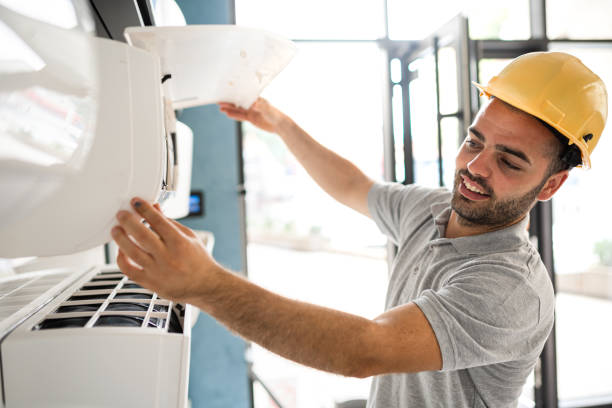
Impacts on Residential Spaces
- Enhanced Comfort: Homeowners could now enjoy consistent cooling throughout their houses without needing multiple AC units in different rooms.
- Year-Round Utility: Many central systems also included integrated heating capabilities, providing climate control in all seasons.
- Energy Efficiency: Modern advancements made central systems more energy-efficient compared to older technologies like window ACs or standalone heaters.
- Design Flexibility: With no need for window-mounted equipment, architects gained greater freedom in designing homes without compromising natural light or aesthetics.
Transformations in Business Environments
- Increased Productivity: Studies have shown that employee performance is closely tied to working conditions. Reliable climate control ensures workers remain comfortable and productive even during extreme weather.
- Retail Experience Enhancement: Cool environments encourage customers to spend more time shopping indoors. This has positively impacted sales for retailers.
- Equipment Preservation: Certain industries rely heavily on temperature regulation to protect sensitive equipment or products (e.g., data centers, food storage facilities).
| Business Sector | Benefits of Central Air Conditioning |
| Office Spaces | Improved employee focus; better morale |
| Retail Stores | Increased customer satisfaction; higher sales |
| Warehousing & Storage | Preservation of perishable goods |
| Technology Firms | Protection for servers; reduction in downtime |
Broader Societal Changes
- Urban Development: Cities in warmer climates became more habitable as cooling technology advanced.
- Population Migration Patterns: Regions such as the U.S. Sunbelt experienced significant population growth due partly to widespread adoption of centralized cooling systems.
- Cultural Shifts: Indoor environments like shopping malls and movie theaters became popular gathering spaces during hot months.
The advent of central air conditioning redefined how we interact with indoor spaces by improving comfort, efficiency, and accessibility across all aspects of life—from personal residences to corporate offices—and its influence continues today as new innovations emerge in HVAC technology.
Understanding the Role of Energy Efficiency Standards in Modern HVAC Units
Energy efficiency standards play a critical role in shaping the development, performance, and environmental impact of modern HVAC systems. These standards are designed to ensure that heating, ventilation, and air conditioning units operate efficiently, saving energy and reducing costs for consumers while also lowering carbon emissions. Below is an exploration of how these standards influence the HVAC industry and why they matter.
Importance of Energy Efficiency Standards
- Cost Savings: Efficient systems consume less energy, leading to lower utility bills for homeowners and businesses.
- Environmental Benefits: By reducing energy consumption, these standards help decrease greenhouse gas emissions.
- Product Innovation: Manufacturers are encouraged to create innovative designs and technologies to meet or exceed these requirements.
- Consumer Protection: Establishing a minimum baseline ensures customers receive reliable and effective systems.
Key Energy Efficiency Metrics Used in HVAC Systems
| Metric | Description |
| Seasonal Energy Efficiency Ratio (SEER) | Measures the cooling output during a typical cooling season divided by total energy consumed. |
| Annual Fuel Utilization Efficiency (AFUE) | Indicates how efficiently a furnace converts fuel into heat over a year. |
| Heating Seasonal Performance Factor (HSPF) | Evaluates the efficiency of heat pumps during an entire heating season. |
| Energy Efficiency Ratio (EER) | Represents system efficiency when operating at peak load conditions. |
Higher values for these metrics indicate greater energy efficiency.
Regulatory Framework for HVAC Energy Standards
Regulatory bodies such as the U.S. Department of Energy (DOE) set minimum efficiency requirements for HVAC products under laws like the National Appliance Energy Conservation Act (NAECA). Additionally, programs like ENERGY STAR® establish voluntary guidelines that manufacturers can follow to exceed standard benchmarks.
- ENERGY STAR Certification: Ensures products meet or surpass stringent criteria for energy savings without sacrificing performance.
- Regional Standards: Certain regions have unique climate-specific requirements for HVAC equipment due to varying heating or cooling demands.
- Periodic Updates: Efficiency standards are periodically updated to reflect advancements in technology and encourage further innovation.
Benefits of Choosing High-Efficiency Units
- Reduced electricity or fuel consumption directly translates into savings.
- Incentives such as tax credits or utility rebates may be available for high-efficiency installations.
- Advanced systems maintain consistent indoor temperatures more effectively.
- Improved humidity control contributes to better air quality.
- Reducing your carbon footprint supports global sustainability efforts.
- While initial costs may be higher, long-term savings make high-efficiency equipment cost-effective over its lifespan.
Future Trends in Energy Efficient HVAC Technology
- Integration with smart home automation systems to optimize energy usage dynamically.
- Use of variable-speed compressors that adjust output based on demand rather than operating at full capacity constantly.
- Adoption of environmentally friendly refrigerants with lower global warming potential (GWP).
- Enhanced insulation techniques within ductwork and building design to minimize thermal loss.
By understanding the role that energy efficiency standards play in modern HVAC units, consumers can make informed decisions that benefit their wallets and contribute positively toward environmental conservation efforts.
Exploring Smart Home Integration in HVAC Systems for Advanced Comfort and Control
With the rise of smart home technology, HVAC systems are no longer limited to conventional heating and cooling. The integration of smart home features into HVAC systems has transformed how homeowners control their indoor environment, making it more efficient, convenient, and customizable. This evolution allows for enhanced comfort while optimizing energy use.
Benefits of Smart Home Integration in HVAC Systems
Smart home integration provides several advantages for both homeowners and businesses:
– Enhanced Control: With smart thermostats and mobile apps, users can adjust temperature settings remotely through their smartphones, tablets, or voice-controlled devices.
– Energy Efficiency: Intelligent systems learn usage patterns over time and make automatic adjustments to reduce energy consumption without sacrificing comfort.
– Zoning Capabilities: Many integrated systems allow for zoning, enabling different areas of a building to be heated or cooled independently based on user preferences.
– Real-Time Monitoring: These systems provide real-time data on energy usage, air quality, and performance issues, helping users make informed decisions about maintenance and upgrades.
– Cost Savings: By optimizing energy use and preventing system inefficiencies, integrated HVAC systems can help lower utility bills over time.
Features of Smart HVAC Systems
| Feature | Benefits | Example Technology |
| Smart Thermostats | Precise temperature control & learning capabilities | Nest Thermostat, Ecobee |
| Voice Assistance | Hands-free system operation | Amazon Alexa, Google Assistant |
| Geofencing Technology | Adjusts settings based on user’s location | Automatically lowering energy use when no one is home |
| Energy Reporting Tools | Tracks consumption for better decision-making | Energy dashboards in mobile apps |
| Air Quality Sensors | Monitors indoor air quality for healthier environments | Detects allergens or pollutants |
Practical Examples of Smart Integration
- Remote Adjustments on the Go
Imagine leaving your office during a hot summer day. Using an app connected to your HVAC system, you can cool your house before arriving home to ensure maximum comfort without wasting unnecessary energy throughout the day. - Voice-Controlled Comfort
With voice assistants like Alexa or Google Assistant integrated into your system, you can simply say commands such as “Set the living room temperature to 72 degrees,” eliminating the need to manually adjust controls. - Automatic Energy Adjustment
Thanks to geofencing technology combined with motion sensors, an integrated HVAC system can detect when a house is unoccupied and automatically switch to an energy-saving mode. - Customized Zoning
A family may prefer different temperatures in various rooms—bedrooms could be cooler than the living room at night. Zoning capabilities allow tailored climates for individual spaces within the same household.
Challenges in Adoption
While smart home integration offers numerous benefits for HVAC systems, there are challenges that potential adopters should consider:
– Compatibility between existing equipment and new smart devices may pose an issue.
– Initial costs of upgrading traditional HVAC units with smart components could be substantial.
– Cybersecurity risks need attention as connected devices may create vulnerabilities if not properly secured.
Smart home integration in HVAC represents a significant step forward in balancing comfort with efficiency while paving the way for more sustainable living practices. As technology continues to advance rapidly, these innovations will likely become standard features within homes around the world over time—delivering greater convenience alongside environmental benefits that align with modern lifestyles.
Eco-Friendly Cooling Solutions: Advancing AC Repair Miami Services with Sustainable Innovations
As environmental concerns grow and energy efficiency becomes a priority, the HVAC industry is evolving to embrace sustainable practices and eco-friendly technologies. These innovations not only reduce environmental impact but also improve energy savings for homeowners and businesses. Below, we explore some of the most promising sustainable advancements in modern HVAC technology.
Energy-Efficient HVAC Systems
- Variable Refrigerant Flow (VRF): VRF technology allows precise temperature control by adjusting the flow of refrigerant based on demand, leading to significant energy savings.
- Geothermal Heat Pumps: By utilizing the earth’s stable underground temperatures, these systems provide efficient heating and cooling with minimal environmental impact.
- High SEER-Rated Units: Seasonal Energy Efficiency Ratio (SEER) measures cooling efficiency. Higher SEER-rated units consume less electricity compared to older systems.
| System Type | Key Benefit | Energy Savings Potential |
| Variable Refrigerant Flow | Precise temperature control | Up to 40% savings |
| Geothermal Heat Pump | Renewable energy source | Up to 50% savings |
| High SEER Units | Reduced electricity consumption | 20%-30% savings |
Use of Natural Refrigerants
- Hydrocarbon Refrigerants (e.g., Propane, Isobutane): Low GWP and ozone-safe options that offer effective cooling solutions.
- Ammonia-Based Systems: Commonly used in industrial applications, ammonia is a natural refrigerant with no direct contribution to global warming.
- Carbon Dioxide (CO2): A natural refrigerant with low environmental impact, gaining traction for commercial use.
Smart Thermostats and IoT Integration
- Automated scheduling to optimize heating and cooling based on user habits.
- Remote monitoring via mobile devices for real-time adjustments.
- Smart sensors detecting occupancy patterns to adapt airflow accordingly.
Renewable Energy Solutions in HVAC
- Solar-Powered Air Conditioners: These units use photovoltaic panels to power air conditioning systems directly from solar energy.
- Hybrid Systems: Combining traditional power sources with renewable options such as solar or wind ensures consistent operation while reducing carbon footprints.
Advancements in Air Filtration Technology
- HEPA filters capable of capturing airborne pollutants as small as 0.3 microns.
- UV-C light integration helps eliminate bacteria and viruses without emitting harmful chemicals.
- Biodegradable air filters that reduce landfill waste after disposal.
By implementing these groundbreaking solutions, the future of HVAC technology is geared towards creating eco-friendly cooling systems that meet both environmental standards and consumer demands for sustainability-driven comfort solutions.
- Miami HVAC: AC Repair vs Replacement – A Detailed Guide to Making the Right Choice
- Upgrading Your HVAC System: Top Benefits of Air Conditioning Repair Miami
- The Importance of Professional Air Conditioning Repair Miami for AC Replacement
- Professional Miami HVAC Replacement Services: Why They Matter
- Top Signs You May Need Air Conditioning Repair Miami Experts Immediately
- Identifying When You Need Air Conditioning Repair Miami Experts for Your AC System
- The Evolution of HVAC Company Miami, FL Services and Modern Air Conditioning
- Five Signs Your Miami HVAC System Needs an Immediate Replacement
- Signs You May Need Air Conditioning Repair Miami Immediately